Holset HX40 Turbocharger: Specs, Cummins ISC Applications & Replacement
The Holset HX40 turbocharger is one of the most recognized names in medium and heavy-duty diesel performance, and for good reason. Bolted to countless Cummins ISC 8.3L engines, box trucks, RVs, and marine applications, the HX40 built its reputation on a simple, rugged design that keeps making boost long after fancier variable-geometry units grenade themselves. If you’re spec’ing a replacement, chasing a boost leak, or deciding between a new unit and a reman, here’s the technical rundown from the crew that’s been rebuilding Holset chargers since 1978.
Holset HX40 Specs and Design Overview
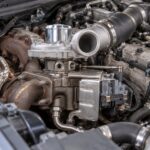
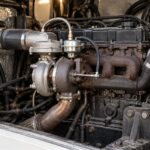
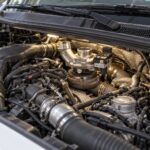
The HX40 is a fixed-geometry, single-stage turbocharger built around a cast compressor housing and a robust turbine section. It’s the big brother to the HX35 you’ll find on 5.9L Cummins applications, sized for the higher airflow demands of the 8.3L ISC and C-series engines. Unlike the wastegated HX35W variants common on pickups, many industrial 6CT/6CTA 8.3 configurations run an open (non-wastegated) HX40, while on-highway ISC engines use the wastegated HX40W.
Here are the core specifications diesel techs need when matching or sourcing an HX40:
| Specification | Holset HX40 |
|---|---|
| Type | Fixed geometry, single-stage |
| Compressor wheel (inducer/exducer) | 58-60mm / 83-86mm |
| Turbine wheel (inducer/exducer) | ~76mm / 64-67mm |
| Turbine housing size | Rated in cm² by Holset, varies by application |
| Bearing system | Journal bearing, oil-cooled |
| Compressor housing | Cast aluminum, 3″ or 4″ inlet variants |
| Approx. airflow capacity | Supports 400 to 600+ hp depending on trim |
| Wastegate | Optional (HX40W) pneumatic actuator |
The HX40’s journal bearing design is a big part of its longevity. It’s forgiving of the kind of duty cycles fleet trucks and RVs see, and it tolerates a wider range of oil conditions than ball-bearing performance cartridges. That’s why so many owner-operators keep coming back to it.
Cummins ISC 8.3L Applications
The HX40 is most commonly associated with the Cummins ISC 8.3L, an engine that found its way into a huge range of chassis. If you’re wrenching on any of the following, there’s a strong chance an HX40 is hanging off the exhaust manifold:
- Medium-duty trucks: Freightliner FL/M2 business class, International, Sterling, and Kenworth medium-duty cabs running the ISC 8.3L rated between 240 and 350 hp.
- Motorhomes and RVs: Class A diesel pushers on Freightliner and Spartan chassis with earlier ISC engines (later ISC engines switched to a Holset variable-geometry turbo).
- School and transit buses: Countless bus platforms used the ISC/HX40 combination for its durability.
- Marine and industrial: Cummins 6CT/6CTA 8.3 industrial engines and gensets (many C-series marine engines use a different Holset model, such as the H2D).
Because Cummins ran the HX40 across so many horsepower ratings, the turbine housing A/R and wastegate calibration vary by application. Always verify the Holset part number on the turbo’s data plate (on the compressor housing) and compare it against your engine’s dataplate rating before ordering. A 300 hp ISC and a 350 hp ISC may look identical but flow differently. If you’re unsure which trim you have, the team at PT Turbo can cross-reference your original part number for you, just reach out through our contact page.
Common HX40 Failure Symptoms

The HX40 is tough, but nothing runs forever under load. Here’s how failures typically present, sorted by how urgently you need to pull the truck off the road:
| Severity | Symptom | Likely Cause |
|---|---|---|
| Low | Slight oil film in charge pipe | Often crankcase ventilation oil, normal on many engines; heavier wet oil can mean seal wear, a restricted oil drain or high crankcase pressure |
| Low | Delayed boost / soft throttle response | Worn wheels, minor shaft play, or a lazy wastegate actuator |
| Medium | Whistling or siren noise | Compressor seal leak, boost leak at clamps or hoses |
| Medium | Blue smoke on acceleration | Turbo oil seal failure feeding oil into intake |
| High | Grinding or metal-on-metal noise | Bearing failure, shaft contacting housing |
| High | Sudden power loss with excessive shaft play | Compressor or turbine wheel damage, imminent failure |
Before condemning the cartridge, check the cheap stuff first. Many “bad turbo” complaints on ISC engines trace back to boost leaks at the charge air cooler connections, cracked intake boots, or a sticking wastegate actuator. Grab the compressor and turbine wheels and check for play: a small amount of side-to-side movement is normal on a journal-bearing turbo, but in-and-out (axial) play past the Holset service limit, measured with a dial indicator, wheel tips that touch the housing or notchy resistance mean the bearing system is worn.
Wastegate Actuator Diagnosis and Replacement
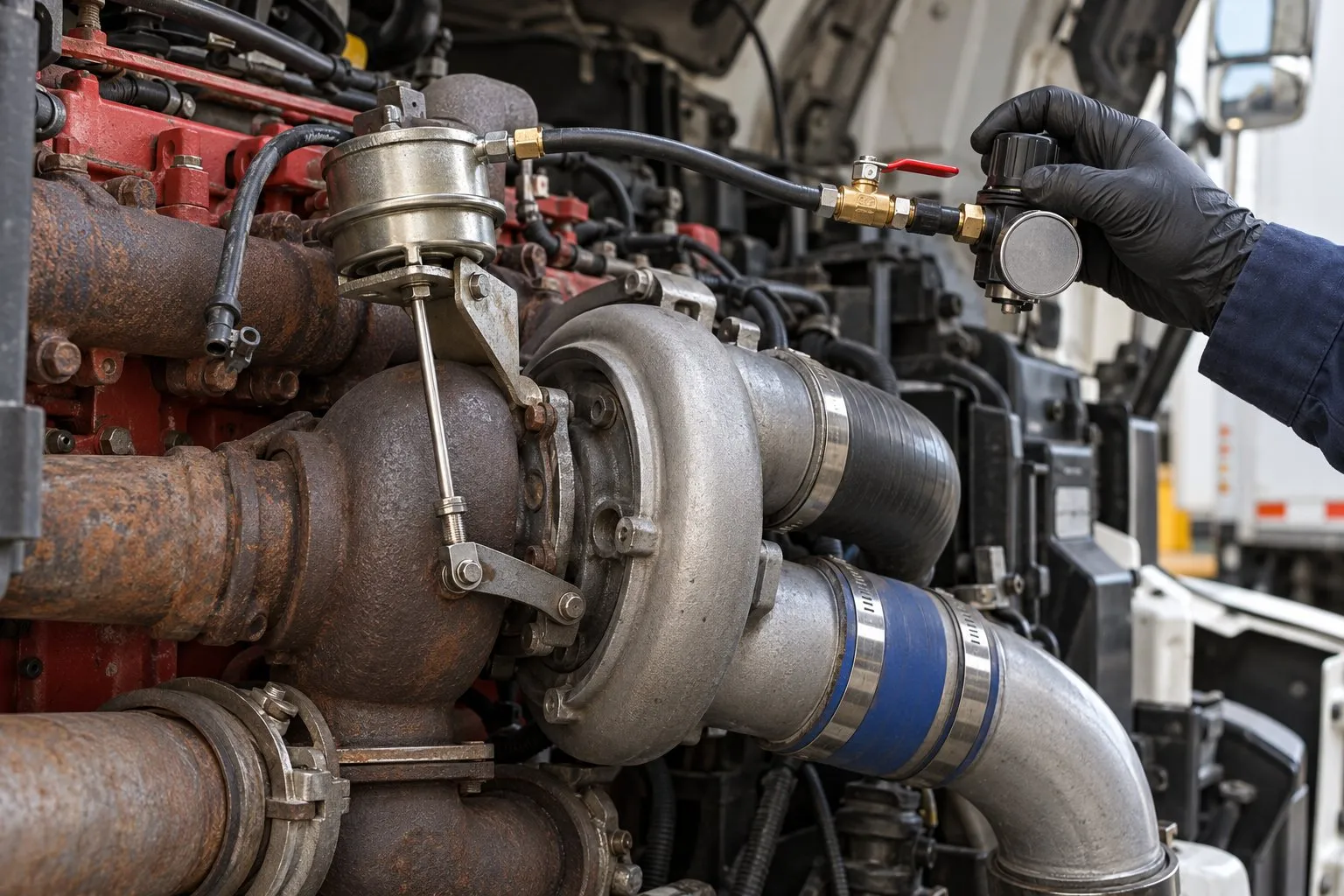
On wastegated HX40W units, the pneumatic actuator is one of the most common wear items, and one of the most misdiagnosed. A leaking actuator diaphragm or a bent actuator rod causes overboost, underboost, or erratic boost that mimics a failing turbo. Before you spend a weekend pulling the whole charger, test the actuator: apply regulated shop air and confirm the rod strokes fully and holds pressure.
If the diaphragm won’t hold or the rod is seized, replace the actuator rather than the entire turbo. PT Turbo can supply the matching Holset wastegate actuator by turbo part number.
Matching the correct actuator spring pressure to your boost target is critical, so verify the calibration before installing any replacement.
New vs Remanufactured HX40: What to Buy
When it’s time to replace, you’ve got three real options: a new OEM Holset, a quality remanufactured unit, or a rebuild of your existing core. Here’s how they stack up for a typical ISC 8.3L owner:
| Option | Typical Cost | Best For |
|---|---|---|
| New Holset HX40 | $532 to $2,335 (58 listings) at PT Turbo | New builds, warranty-critical fleets |
| Remanufactured HX40 | $1,549 to $1,948 (12 listings) at PT Turbo | Best value for most working trucks |
| Rebuild your own core | From $575 at PT Turbo (price list) | Keeping your matched-calibration unit |
For most owner-operators and fleet managers, a professionally remanufactured HX40 hits the sweet spot. A proper reman means new bearings, seals, thrust components, and a balanced rotating assembly, not just a repaint. PT Turbo has been remanufacturing Holset chargers to blueprint spec for over 45 years, and every unit is spec-tested before it ships. Browse our remanufactured turbochargers or the full turbo catalog to find your fit.
If your existing HX40 carries a specific OEM calibration you want to keep, our turbocharger rebuild service restores your original core to factory tolerances. That matters on emissions-sensitive applications where a swap to a different trim can throw off your boost curve.
Related Cummins Turbocharger Reading
If you run multiple Cummins platforms across your fleet, it pays to understand how the HX40’s fixed-geometry siblings and the newer variable-geometry units compare. Our 5.9L Cummins turbocharger guide covering the HX35, HY35, and HE351CW is a great companion piece to this article. For the newer trucks, see our 6.7L Cummins HE351VE vs HE300VG guide and the detailed HE351VE vs HE300VG comparison.
Price ranges in this article are general estimates to help with budgeting, not PT Turbo quotes. Our current prices are on each product listing, and our rebuild prices are on the turbo rebuild price list.
Turbos we list for the HX40
Listings for the turbo models named in this guide that can be ordered online today. Several part numbers can fit one engine by year and rating, so match the number on your turbo’s tag, or call (909) 824-1020 and we will match it for you.
Frequently Asked Questions
What engines use the Holset HX40 turbocharger?
The Holset HX40 is commonly bolted to Cummins ISC 8.3L engines found in box trucks, RVs, and marine applications. Its rugged fixed-geometry design makes it a popular fit for medium and heavy-duty diesel builds.
Is the Holset HX40 better than a variable-geometry turbo?
The HX40 uses a simple, durable fixed-geometry design that often outlasts more complex variable-geometry units. While VGT turbos offer better spool control, the HX40 is prized for its reliability and longevity.
How do I choose the right Holset HX40 replacement?
Match your replacement to your engine’s original turbine and compressor housing sizes and application requirements. Verifying specs against your Cummins ISC setup ensures proper fitment and boost performance.
Further reading: Learn more about turbocharger technology.
Shopping by part number?
Every part number we stock for the Holset HX40 is on one page, with live prices and stock: Holset HX40 turbos and parts.
Need a Turbocharger?
PT Turbo has rebuilt and sold turbochargers since 1978. We stock remanufactured units for Cummins, Duramax, Power Stroke, Detroit Diesel, and more — backed by a 12-month unlimited mileage warranty. Units in stock at our shop in San Bernardino, CA ship the same day when ordered before 2 PM Pacific, Monday through Friday.
📞 (909) 824-1020 · 346 S I St. #3, San Bernardino, CA 92410 · [email protected]
More From PT Turbo
 Garrett GTB1752VK and GTB1752VKL Turbochargers: Chevy Colorado & GMC Canyon 2.8L Duramax Guide
- Holset HX30 Turbocharger: Small Block Cummins B-Series Application Guide
- Mercedes Sprinter Turbocharger Replacement Guide: 2.1L & 3.0L CDI Applications by Year
- PT Turbo's Guide to Buying Turbocharger Parts Online: What to Avoid