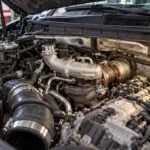
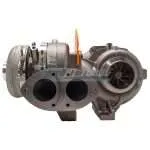
If you run a Cummins ISB 6.7L, sooner or later the Holset variable geometry turbocharger is going to demand your attention. The VGT (variable geometry turbocharger) on this engine is one of the smartest pieces of hardware Cummins ever bolted on, and also one of the most misunderstood. When it works, you get crisp throttle response, strong low-end torque, and an integrated exhaust brake. When it sticks, you get limp mode, derates, dead pedal, and a service writer telling you to budget for a new turbo. This guide breaks down exactly how the ISB 6.7L turbo operates, why it fails, and how to fix it right the first time.
How the ISB 6.7L Variable Geometry Turbo Actually Works
The Cummins ISB 6.7L uses a Holset variable geometry turbocharger, most commonly the HE300VG or the earlier HE351VE depending on model year and application. Instead of a fixed turbine housing or a traditional wastegate, the VGT uses a sliding nozzle ring inside the turbine housing. That ring carries a set of vanes that change the effective area the exhaust gas flows through before it hits the turbine wheel.
At low RPM, the vanes close down. This shrinks the flow area, accelerates the exhaust gas, and spools the turbine fast for immediate boost and torque off idle. At high RPM, the vanes open up to let more volume through without choking the engine or overspeeding the turbo. The result is a wide, flat torque curve with very little lag.
That same nozzle ring also serves as the engine’s exhaust brake. When you lift off the throttle going downhill, the ECM commands the vanes nearly shut, building backpressure against the pistons to slow the truck without touching the service brakes. This is why a sticking VGT on the ISB so often shows up first as a weak or non-functioning exhaust brake.
The Actuator Is the Brain
An electronic rotary actuator mounted on the turbo moves the nozzle ring through a calibrated linkage. On the 6.7L this is a smart actuator that talks to the ECM, reporting position feedback and accepting commands hundreds of times per second. The actuator is calibrated to the specific turbo, which matters enormously during replacement. Install a turbo without proper actuator calibration and you will chase fault codes all day.
Common ISB 6.7L Turbo Failures and Their Root Causes
Almost every VGT failure on this platform traces back to one thing: the nozzle ring and vanes getting gummed up with soot and carbon. Hard exhaust deposits build up between the vanes and the sliding ring, and the actuator can no longer move them through their full range. Here is what we see most often on the bench.
- Sticking variable geometry vanes. Carbon and soot bind the nozzle ring. Symptoms include low power, surging boost, loss of exhaust brake, and codes for VGT actuator overcurrent or position error.
- Failed electronic actuator. Heat soak, internal gear wear, and water intrusion kill the actuator. The motor can no longer hold or report position. Common codes are P003A, P2563, P0045, and actuator circuit faults.
- Worn turbo bearings and shaft play. Oil contamination or extended drain intervals wear the journal bearings, leading to a wheel that contacts the housing. You will hear a high-pitched whine or grinding and may see oil in the charge pipe.
- Oil leaks and coking. A restricted or clogged oil drain line backs oil into the center housing. The seals leak, oil burns in the exhaust, and you get blue smoke plus coke deposits that accelerate bearing wear.
- Compressor wheel damage. Debris from a failed intake or a previous turbo coming apart chews up the compressor blades and destroys balance.
Soot Buildup: The Number One Killer
Short trips, extended idling, and emissions delete-related regen problems all dump extra soot into the exhaust stream. That soot is what jams the vanes. Trucks that idle for hours or never see highway temperature are the worst offenders. The single best preventive maintenance you can do is run the engine hard enough to keep exhaust temperatures up and exercise the VGT regularly through its full travel.
Symptoms by Severity: When to Service vs Replace
Not every VGT complaint means a new turbo. Use this table to triage what you are dealing with before you start throwing parts at it.
| Symptom | Likely Cause | Severity | Action |
|---|---|---|---|
| Weak or no exhaust brake | Vanes starting to stick | Low to Moderate | Clean VGT, exercise vanes, scan for codes |
| Surging or hunting boost | Sticking nozzle ring | Moderate | Decarbon nozzle ring or rebuild |
| Limp mode / derate, VGT codes | Actuator fault or seized nozzle ring | High | Test actuator, rebuild or replace |
| Whine, whistle, grinding noise | Bearing wear, shaft play | High | Replace or remanufacture turbo |
| Blue smoke, oil in charge pipe | Failed seals, coked drain line | High | Rebuild turbo, replace oil lines |
| Boost leak, low power, no codes | Cracked charge pipe or bad clamp | Low | Inspect plumbing and gaskets first |
Replacement Options: New, Remanufactured, or Rebuild
When the turbo is truly done, you have three paths. A brand new Holset unit is the priciest: $1,713 to $9,680 (47 listings) at PT Turbo, depending on the part number. A quality remanufactured turbocharger gets you back on the road for a fraction of that, and a professional rebuild of your existing core is the most economical if the housing and wheels are still serviceable.
PT Turbo has been doing this since 1978, more than 45 years of building and balancing turbochargers for diesel and heavy-duty applications. We stock both new and remanufactured units, and every reman turbo is fully disassembled, cleaned, fitted with new bearings and seals, and balanced to OEM spec. Browse our remanufactured turbochargers or, if your core is good, send it in for our turbocharger rebuild service.
| Option | Typical Cost | Best For |
|---|---|---|
| New OEM Holset | $1,713 to $9,680 (47 listings) at PT Turbo | Fleets needing maximum service life and warranty |
| Remanufactured (PT Turbo) | Significant savings vs new | Most owner-operators and repair shops |
| Rebuild your core | Lowest cost | Serviceable housings, no wheel damage |
Price ranges in this article are general estimates to help with budgeting, not PT Turbo quotes. Our current prices are on each product listing, and our rebuild prices are on the turbo rebuild price list.
If you also work on Ford diesels, our Ford 6.7L Powerstroke turbocharger guide and the 6.4L Powerstroke twin turbo guide cover the same kind of failures on those platforms. And if you are cross-shopping the pickup version of this engine, compare the variants in our Ram 6.7L Cummins HE351VE vs HE300VG guide or the older 5.9L Cummins HX35 and HY35 breakdown.
Installation: Do It Once, Do It Right
A turbo is only as good as the install. The most common comeback we see is a fresh turbo failing because the installer reused old, hardened gaskets or skipped cleaning the oil supply and drain. Replace every gasket and seal, prime the center housing with clean oil before startup, and verify the oil drain is clear so the new bearings do not coke on day one.
Stock the right hardware before you start the job. PT Turbo carries the installation kits that cover the gaskets, seals, and fasteners these Cummins turbos need:
- For the HE351VE (2007.5 to 2012): the D&W Cummins Installation Kit 172-784-0427, $87.53.
- For the HE300VG and for medium-duty ISB turbos: send us the number on your turbo and we will match the kit.
After the turbo is mounted, the actuator must be calibrated to the turbo with the service tool before the first drive. On reman and new units this is critical, since an uncalibrated actuator will not sweep the nozzle correctly and will throw position faults immediately.
Run the calibration with your scan tool after the actuator is bolted up and the batteries are connected, and let the nozzle complete its full sweep before you start the engine. If the actuator cannot see its end stops, it will log a position error no matter how good the turbo is. Clear any codes, confirm the actuator reports correct feedback, and verify the exhaust brake engages before the truck leaves the shop.
Once it fires, idle it long enough to confirm oil pressure and watch for smoke or leaks at the supply and drain fittings. Keep boost moderate for the first few miles so the new bearings seat and the fresh oil film establishes itself. Do that, and the turbo you just installed will give you the full service life you paid for instead of a comeback next month.
Frequently Asked Questions
How does the variable geometry turbocharger work on the Cummins ISB 6.7L?
The VGT uses adjustable vanes to control exhaust flow, optimizing boost across the RPM range. This delivers strong low-end torque, crisp throttle response, and an integrated exhaust brake.
What are the most common Cummins ISB 6.7L turbocharger failures?
Common failures include a stuck or sticking VGT nozzle ring from soot buildup, actuator faults, and bearing wear. These often cause poor throttle response, reduced power, or limp mode.
What are the symptoms of a failing VGT on the ISB 6.7L?
Warning signs include loss of power, excessive smoke, weak exhaust braking, and check engine codes related to turbo boost or actuator position. Sluggish throttle response is another key indicator.
Further reading: Learn more about variable-geometry turbochargers.
Need a Turbocharger?
PT Turbo has rebuilt and sold turbochargers since 1978. We stock remanufactured units for Cummins, Duramax, Power Stroke, Detroit Diesel, and more — backed by a 12-month unlimited mileage warranty and same-week shipping from San Bernardino, CA.
📞 (909) 824-1020 · 346 S I St. #3, San Bernardino, CA 92410 · [email protected]