Contaminated Engine Oil and Turbocharger Failure: Identifying the Pattern
Contaminated Engine Oil and Turbocharger Failure go hand in hand more often than most operators realize, and the damage almost always traces back to something that could have been caught during a routine service. A turbocharger spins at speeds north of 100,000 RPM, and the only thing keeping those bearings alive is a thin, clean film of oil. Introduce dirt, coolant, fuel dilution, or carbon into that film and you have started a countdown to bearing failure.
At PT Turbo, we have been rebuilding turbochargers since 1978, and in over 45 years we have torn down many failed units. Most of them did not fail from a manufacturing defect or age. They failed because the oil feeding them was dirty, degraded, or starved. This article breaks down the exact patterns we see, how to read the evidence, and what to do about it.
Why Oil Contamination Kills Turbochargers So Fast
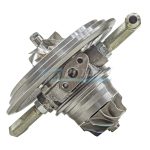
The center housing rotating assembly (CHRA) rides on either journal bearings or ball bearings, journal bearings float the shaft on a pressurized oil film, and ball bearings need the same oil to lubricate and damp the bearing. When that film breaks down, metal contacts metal, and heat builds instantly.
Diesel turbos run brutally hot. Exhaust gas temperatures can exceed 1,200 degrees Fahrenheit, and the oil in the center section is the primary heat sink for the turbine end. Clean oil carries that heat away. Contaminated oil loses its viscosity and film strength, and the bearings cook.
The four contaminants we see most often are abrasive dirt from a failing air filter or intake leak, coolant from a bad head gasket or cracked cylinder, raw fuel dilution from injector issues, and carbon sludge from extended drain intervals. Each leaves a distinct fingerprint on the failed parts.
The Physics of Oil Starvation vs. Oil Contamination
People confuse the two, but they are different failure modes. Oil starvation is a lack of oil volume or pressure, often from a clogged feed line, wrong gasket blocking a port, or a dry start. Contamination means oil is present but no longer doing its job.
Both produce scored bearings and blued shafts, but contamination usually shows abrasive scratching and pitting, while pure starvation shows smearing and discoloration from friction heat. Reading the difference tells you whether to fix the engine or just the oil supply.
Contaminated Engine Oil and Turbocharger Failure: The Diagnostic Pattern
When a contaminated unit comes across our bench, we look for a repeatable sequence of evidence. The pattern rarely lies. Here is what a proper teardown reveals and what each clue means.
- Scored journal bearings with embedded particles. Fine scratches running circumferentially point to abrasive contamination, usually silica dust from an air leak upstream.
- Milky or emulsified oil residue. A creamy film in the center housing means coolant has entered the oil, almost always an engine-side problem.
- Varnish and hard carbon on the shaft and turbine seal. This is coking, caused by degraded oil baking onto hot surfaces, common with extended drain intervals or hot shutdowns.
- Wiped thrust bearing. The thrust bearing is the first casualty of thin, fuel-diluted oil because it carries axial load with the smallest oil film.
- Excessive shaft play. Once bearings wear, the compressor and turbine wheels contact their housings, throwing metal and finishing the job.
If you find the compressor wheel blades bent backward with a polished dust film, look at your air filtration first. If you find milky sludge, pressure test the cooling system before installing anything new.
Symptom Severity Guide
Catching contamination early can save the turbo. Catching it late means a full replacement plus a compromised engine. Use this table to gauge where you stand.
| Severity | Symptoms | Likely Outcome | Action |
|---|---|---|---|
| Early | Slight blue smoke on startup, minor oil consumption, faint whistle | Check drain, crankcase pressure and engine wear first; bearings still serviceable | Oil analysis, inspect intake, change oil and filter immediately |
| Moderate | Noticeable power loss, oil in intercooler piping, audible bearing noise | Bearing and seal wear advancing | Remove and inspect CHRA, rebuild if housings are intact |
| Severe | Heavy smoke, shaft play, grinding, oil pouring from turbine housing | Wheel contact, contaminated bearings, possible engine damage | Full replacement, flush oil system, fix root cause first |
Find and Fix the Root Cause Before You Replace Anything
This is the mistake that costs fleets thousands of dollars. A shop bolts on a new turbocharger without addressing why the old one died, and the replacement fails within weeks. Contaminated oil does not care whether the turbo is new or 200,000 miles old.
Before you install a replacement, run through this checklist. It takes an hour and saves a repeat failure.
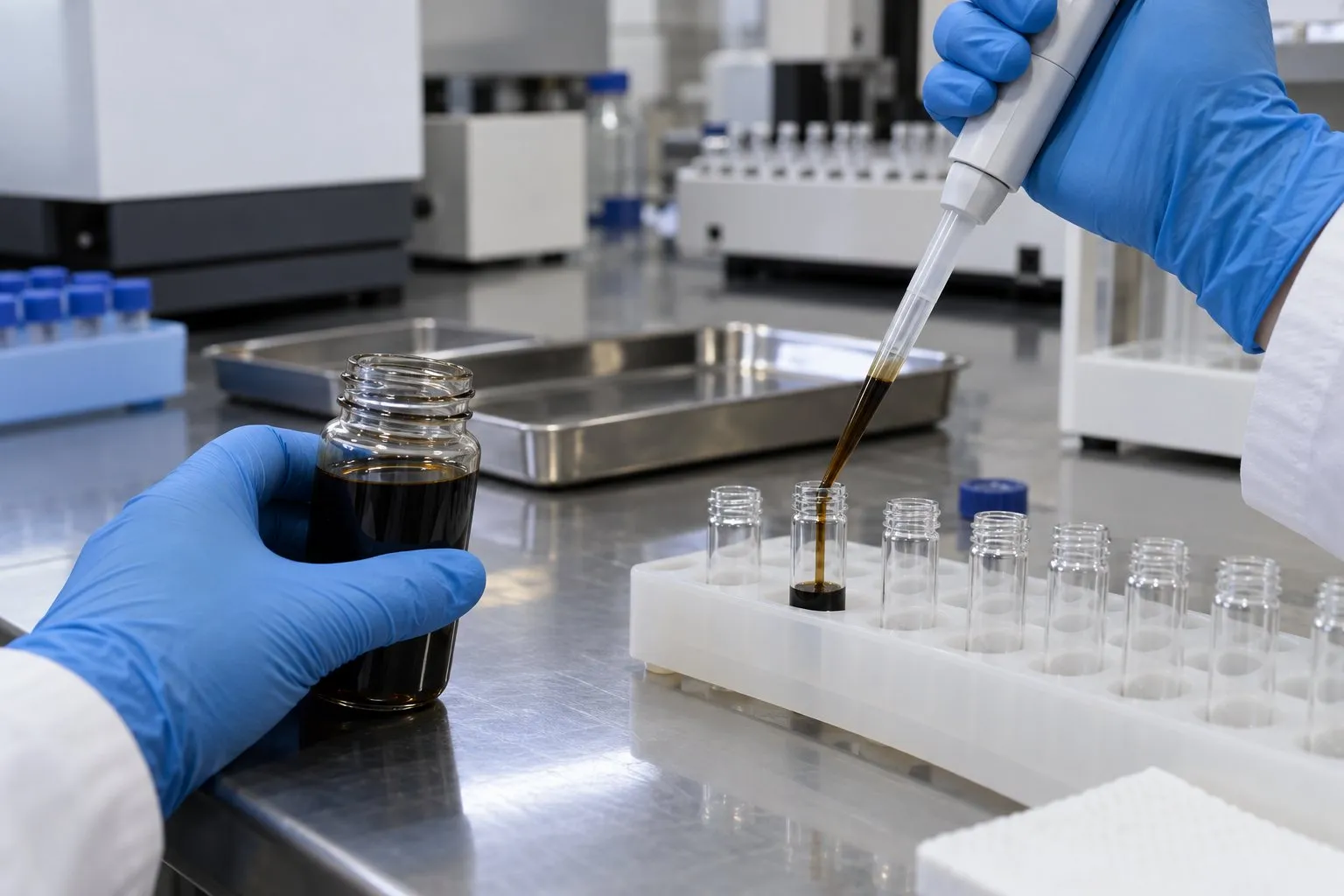
- Pull an oil sample and send it for analysis. Look for fuel dilution, coolant, and wear metals.
- Inspect the entire air intake for leaks, cracked boots, and a properly seated filter.
- Pressure test the cooling system to rule out coolant intrusion.
- Check the oil feed line for restriction, and never reuse an old feed line on a new unit.
- Confirm the drain line is unobstructed, runs downhill and enters the pan above the oil level.
- Flush the oil system and replace the filter before the first start.
On variable geometry and wastegated units, contamination also affects control components. Sticking vanes and a lazy actuator can throw boost codes that mimic a bad turbo. Understanding how a variable-geometry turbocharger manages boost helps you separate a mechanical failure from a control fault before you condemn the whole assembly.
Actuators and Control Components Take a Hit Too
When oil and carbon contaminate the exhaust side, they migrate into the actuator linkage and wastegate mechanism. A pneumatic actuator that can no longer move freely will overboost or underboost, and no amount of engine tuning fixes a seized rod.
If your teardown shows a functional CHRA but a sticky or corroded actuator, you can often restore proper operation with a direct replacement. We stock genuine units for the most common diesel and light-truck applications.
These are the parts that get overlooked. A clean turbo with a dead actuator will still run poorly, and swapping the actuator is far cheaper than replacing the whole unit.
New vs. Remanufactured: Making the Right Call
Once the root cause is fixed, you have to decide how to replace the turbo. Both new and remanufactured units have their place, and the right choice depends on your budget, application, and how long you plan to keep the truck.
| Factor | New Turbocharger | Remanufactured Turbocharger |
|---|---|---|
| Cost | Highest, full OEM pricing | Lower than new |
| Components | All new | New bearings, seals, and balanced CHRA in inspected housings |
| Lead time | Can be long on OEM back-order | Often in stock and ready to ship |
| Best for | New builds, warranty-critical fleets | Cost-conscious repairs on proven platforms |
Our remanufactured turbochargers are built to OEM balancing and clearance specs, not simply cleaned and repainted. If your existing unit has good housings, our turbocharger rebuild service restores it to spec for less than a replacement. You can also browse our full turbo inventory to match your part number.
Whether you go new or reman, both major manufacturers publish detailed application data, and resources from Garrett Motion can help you confirm the correct unit for your engine before you order.
How to Prevent the Next Failure
Prevention is cheaper than any turbo. The units we see reach 400,000 miles and beyond are the ones on trucks with disciplined maintenance.
- Stick to the manufacturer oil drain interval, and shorten it under severe-duty use.
- Use the correct oil grade and spec for your engine, never a cheaper substitute that shears down under heat.
- Service the air filter on schedule and inspect every boot and clamp between the filter and the compressor inlet.
- Let a hot turbo idle down for a minute or two before shutdown so the oil keeps carrying heat away from the bearings.
- Pull a routine oil sample so fuel dilution or coolant shows up in a report before it shows up on a bearing.
None of this is complicated, and none of it is expensive next to a repeat failure. The operators who treat oil cleanliness as a non-negotiable are the ones who get full service life out of every unit they install.
Read the evidence, fix the root cause, and keep the oil clean. Do those three things and the turbocharger stops being the weak link in the driveline.
Frequently Asked Questions
How does contaminated engine oil cause turbocharger failure?
Turbocharger bearings rely on a thin, clean film of oil to survive speeds over 100,000 RPM. When dirt, coolant, fuel, or carbon contaminate the oil, that film breaks down and the bearings quickly wear out.
What are the warning signs of oil-related turbocharger problems?
Common signs include excessive exhaust smoke, loss of power, unusual whining or grinding noises, and oil leaks around the turbo. Discolored or gritty oil during service is also a key indicator.
How can I prevent turbocharger failure from contaminated oil?
Follow strict oil and filter change intervals, use the correct oil specification, and inspect for coolant or fuel dilution during routine service. Catching contamination early is the most reliable way to protect the turbo.
Need a Turbocharger?
PT Turbo has rebuilt and sold turbochargers since 1978. We stock remanufactured units for Cummins, Duramax, Power Stroke, Detroit Diesel, and more — backed by a 12-month unlimited mileage warranty. Units in stock at our shop in San Bernardino, CA ship the same day when ordered before 2 PM Pacific, Monday through Friday.
📞 (909) 824-1020 · 346 S I St. #3, San Bernardino, CA 92410 · [email protected]