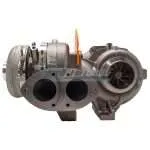
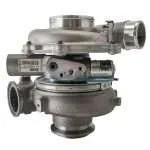
Ford Transit 3.2L Diesel Turbocharger Guide: Common Failures & Replacement
This Ford Transit 3.2L Diesel Turbocharger Guide is built for the mechanics, fleet managers, and owner-operators who keep these vans working for a living, and who need straight technical answers when boost drops off and the check engine light comes on. The 3.2L five-cylinder Duratorq (also badged as the 3.2L Power Stroke in North American Transit vans) is a strong, torquey engine, but the variable geometry turbo bolted to it has a handful of well-documented weak points. Knowing what fails, why it fails, and what it costs to fix separates a one-day repair from a stranded van and a blown budget.
At PT Turbo we have been rebuilding and supplying turbochargers since 1978, more than 45 years of hands-on experience with exactly these units. Below is everything you need to diagnose, source, and replace the turbo on a 3.2L Transit the right way.
The 3.2L Transit Turbo: What You Are Working With
The 3.2L Duratorq inline-five uses a Garrett variable nozzle turbine (VNT) turbocharger, a variable-geometry design that adjusts vane angle to keep boost responsive across the rev range. If you want the engineering background, the variable-geometry turbocharger operates by changing the effective area the exhaust gas hits on the turbine wheel, which is what gives these vans strong low-end pull with minimal lag.
On this platform the vane movement is controlled by an electronic actuator bolted to the turbo. That actuator is one of the most common failure points on the entire assembly, which is why sourcing the correct one matters so much.
| Specification | Ford Transit 3.2L Duratorq / Power Stroke |
|---|---|
| Engine | 3.2L inline-5 turbodiesel (Puma) |
| Turbo type | Garrett VNT (variable nozzle) |
| Actuator | Electronic |
| Typical peak boost | Approx. 20 to 24 psi |
| Common service interval flags | 90,000 to 150,000 miles |
Common Failures in This Ford Transit 3.2L Diesel Turbocharger Guide
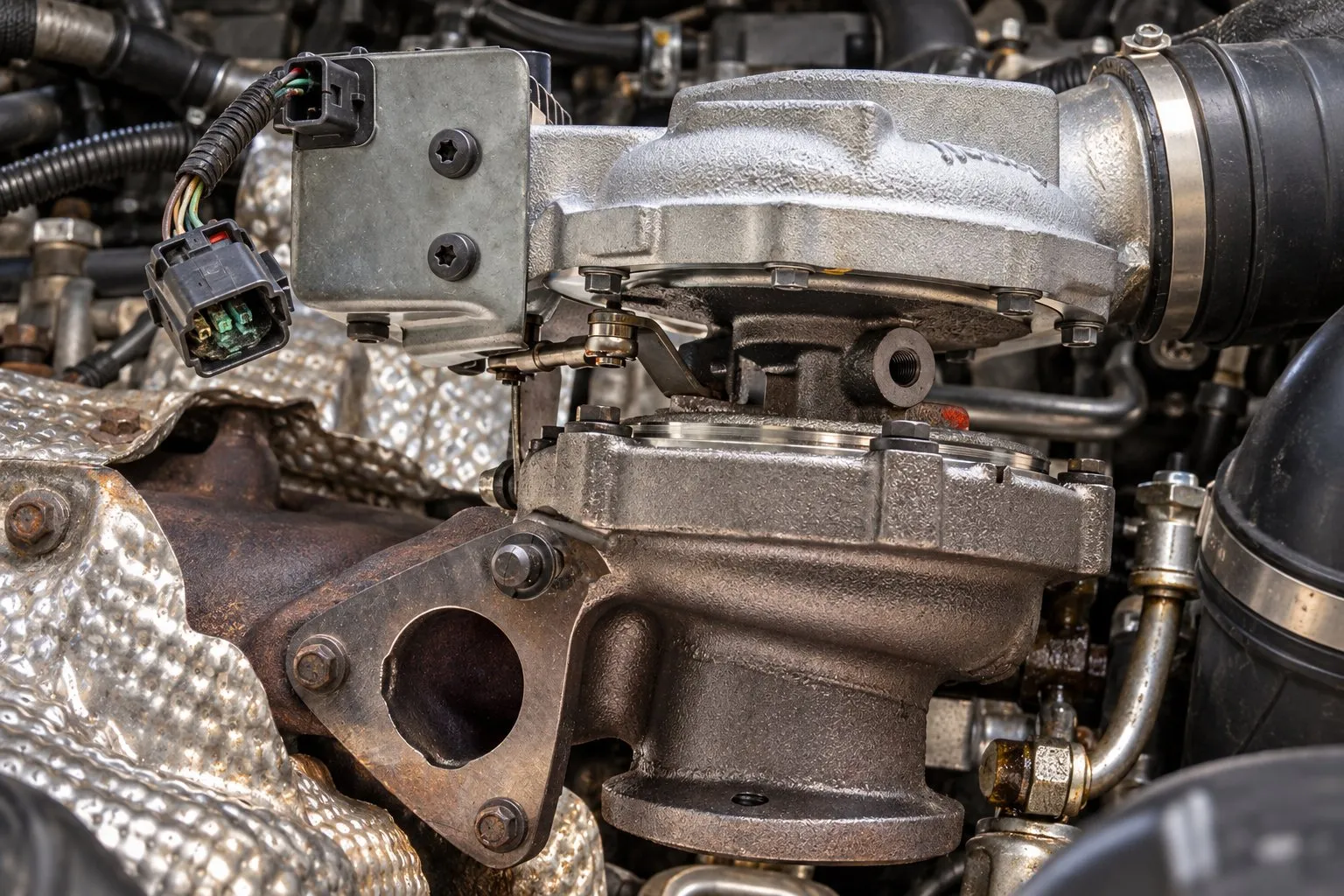
Most 3.2L turbo problems trace back to one of four root causes: sticking VNT vanes, actuator failure, oil supply issues, or worn shaft bearings. Here is what each one looks like on the road.
1. Sticking or Carboned-Up VNT Vanes
Soot and carbon build up around the variable vanes over time, especially on vans that spend their lives doing short urban delivery routes and never fully clear the exhaust. When the vanes stick, boost becomes erratic: overboost codes, limp mode, or a total lack of power under load.
Excess soot loading also ties into a clogged diesel particulate filter and heavy exhaust gas recirculation flow, both of which accelerate vane fouling. Address the whole system, not just the turbo.
2. Electronic Actuator Failure
The electronic actuator is the number one reason a mechanically sound 3.2L turbo gets condemned. When its motor or electronics fail, or the linkage seizes, the vanes no longer move to command. You get underboost or overboost codes, sluggish acceleration, and repeated limp mode even though the turbo bearings are fine.
The good news: you can often replace just the actuator and save the cost of a full turbo.
Always match the actuator by the part number on the old unit before ordering, because a mismatched actuator will never calibrate correctly.
3. Oil Supply and Coking Problems
These turbos live and die by clean oil. A partially blocked feed line, extended oil change intervals, or shutting the engine down hot after a hard run all lead to oil coking in the center housing. Once the bearing journals are starved or scored, you get shaft play, whining, and eventually catastrophic wheel contact.
4. Worn Bearings and Shaft Play
End-stage failure. You will hear a high-pitched siren or whistle, see blue smoke from oil making it past the seals, and find oil in the intake tract. At this point the actuator is not the fix, the cartridge is done.
Symptoms by Severity
Use this to triage before you pull anything apart. Not every symptom means a new turbo.
| Severity | Symptoms | Likely Cause | First Action |
|---|---|---|---|
| Mild | Occasional limp mode, mild power loss, boost codes | Sticking vanes / actuator calibration | Inspect actuator, clean vanes |
| Moderate | Repeated under/overboost, poor throttle response | Failed electronic actuator | Replace actuator |
| Severe | Whistling/siren noise, blue smoke, oil in intake | Worn bearings, shaft play | Rebuild or replace turbo |
Diagnosis: Confirm Before You Replace
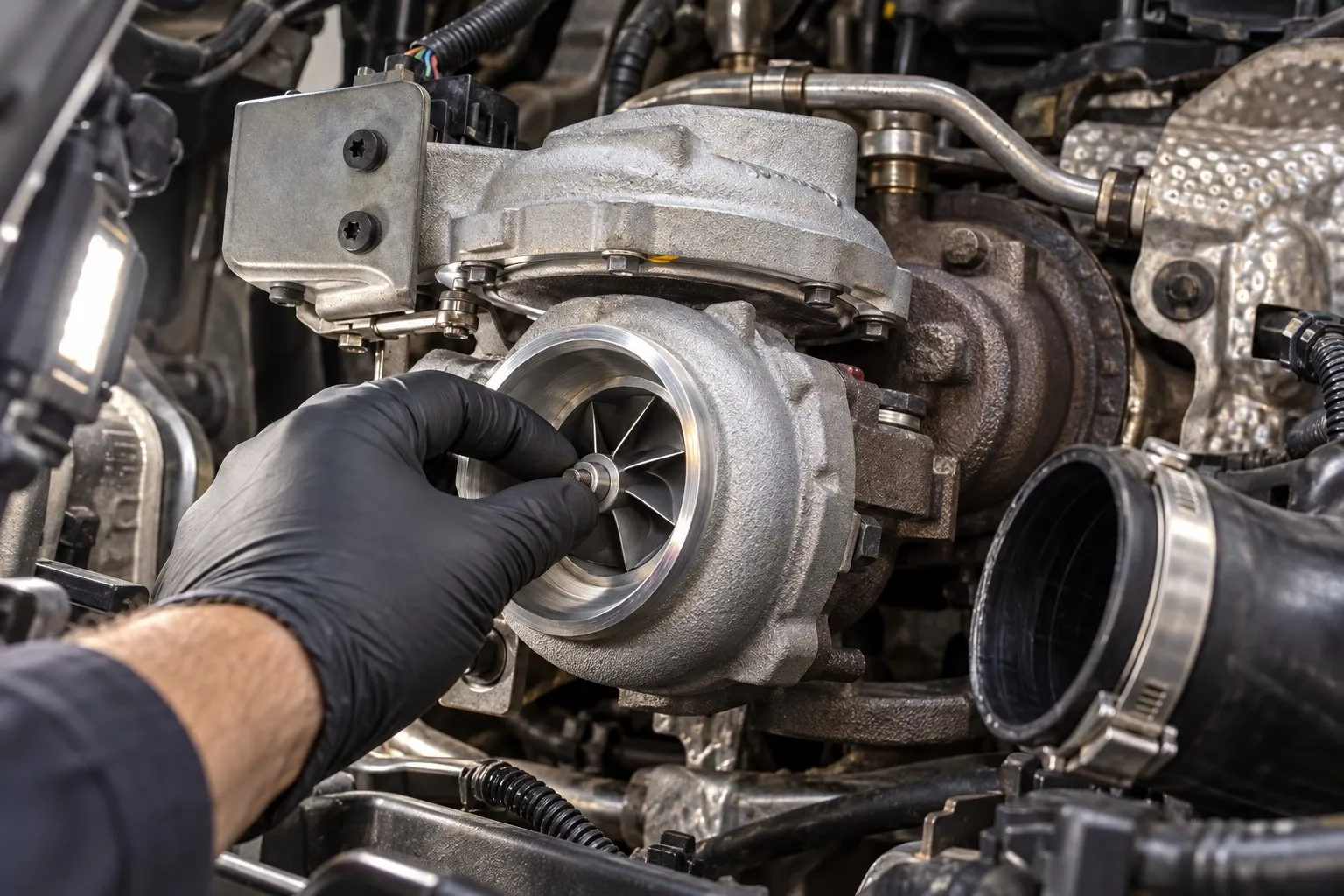
Do not throw parts at it. A proper diagnosis on the 3.2L saves real money.
- Pull the codes. Underboost (often P0299) versus overboost (P0234) points you toward vane and actuator behavior.
- Check the actuator connector and wiring. Corrosion or a damaged harness mimics actuator failure exactly.
- Command the actuator with a scan tool and watch commanded against actual position. With the actuator link disconnected, the vane lever should move smoothly by hand; binding means fouled vanes.
- Inspect for shaft play. Pull the intake hose and check the compressor wheel for axial and radial play, and look for pooled oil (a light film is normal crankcase vapor). Excessive play, wheel contact or pooled oil means the cartridge is the problem, not the actuator.
If the wheel is clean and spins freely with play within the maker’s limits, but the actuator does not follow its commands or the vane lever binds, you have a vane or actuator repair, not a full turbo replacement.
Replacement Options: New, Remanufactured, or Rebuild
Once you have confirmed the turbo itself is done, you have three routes. Here is how they compare for a 3.2L Transit.
| Option | Typical Cost Range | Best For | Notes |
|---|---|---|---|
| New OEM Garrett | Quoted by part number | Warranty-sensitive fleets | Highest cost, longest lead time |
| Remanufactured | Quoted by part number | Most owners and fleets | Built to OEM spec, balanced and tested |
| Rebuild your core | From $575 at PT Turbo (price list) | Keeping your original casting | Fast turnaround, retains your part numbers |
| Actuator only | see actuator prices | Good cartridge, bad actuator | Biggest savings when the turbo is otherwise healthy |
A quality remanufactured turbocharger is the sweet spot for most 3.2L Transit owners. Every unit is disassembled, inspected, fitted with new bearings and seals, VNT-tested, and balanced to factory spec. You get near-new reliability at a fraction of the OEM price.
If you would rather keep your original casting, our turbo rebuild service restores your existing unit to spec with a fast turnaround.
Frequently Asked Questions
What are the most common turbocharger failures on the Ford Transit 3.2L diesel?
The most common issues are a sticking or failing variable geometry (VNT) mechanism, worn bearings causing shaft play, and oil leaks. These typically show up as lost boost, black smoke, or a check engine light.
What are the symptoms of a failing turbo on a 3.2L Power Stroke Transit?
Look for reduced power and boost, excessive black or blue smoke, whistling or grinding noises, and turbo-related fault codes. A sudden drop in boost with an illuminated check engine light is a classic warning sign.
Can I replace the Ford Transit 3.2L turbocharger myself?
Experienced mechanics can replace it, but it requires proper tools, careful handling of oil feed lines, and correct VNT actuator calibration. Improper installation is a leading cause of premature repeat failures.
Need a Turbocharger?
PT Turbo has rebuilt and sold turbochargers since 1978. We stock remanufactured units for Cummins, Duramax, Power Stroke, Detroit Diesel, and more — backed by a 12-month unlimited mileage warranty. Units in stock at our shop in San Bernardino, CA ship the same day when ordered before 2 PM Pacific, Monday through Friday.
📞 (909) 824-1020 · 346 S I St. #3, San Bernardino, CA 92410 · [email protected]
More From PT Turbo
- Chevy Silverado HD & GMC Sierra HD Duramax Turbocharger Guide: All Generations
 Ford F-250/F-350 Super Duty Turbocharger Guide: 6.0L, 6.4L & 6.7L Powerstroke Compared
- Caterpillar C7 Turbocharger: Common Failures, Part Numbers & Replacement Guide
- Duramax LLY Turbocharger: Symptoms, Garrett GT3788VA Replacement & Cost (2004-2005)