PT Turbo

Turbocharger Maintenance

Oil changes, break-in procedures, oil lines, and long-term care for diesel turbochargers.

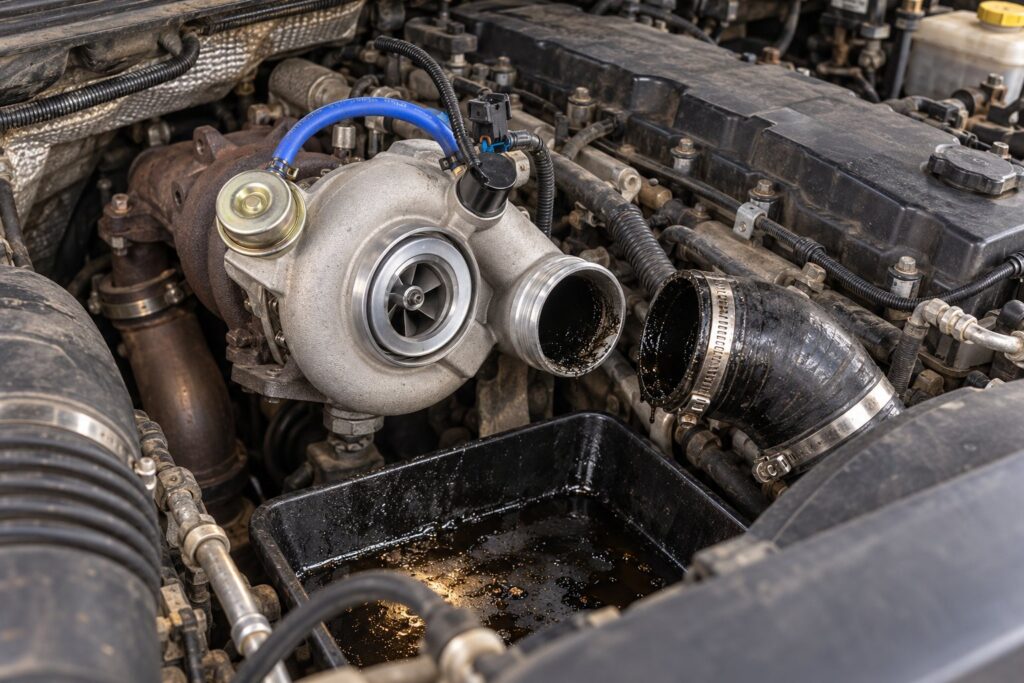
HE351CW on a 5.9L Cummins with an oily compressor outlet exposed during charge-air cleanup

How to Flush an Intercooler After Turbocharger Failure: Preventing Re-Contamination

Knowing How to Flush an Intercooler After Turbocharger Failure is the difference between a clean rebuild that lasts 300,000 miles and a repeat failure that eats your brand-new turbo within a few thousand miles. When a turbo lets go, it rarely fails quietly. Oil, metal shavings, and sometimes chunks of compressor wheel get blown downstream

How to Flush an Intercooler After Turbocharger Failure: Preventing Re-Contamination Read More »
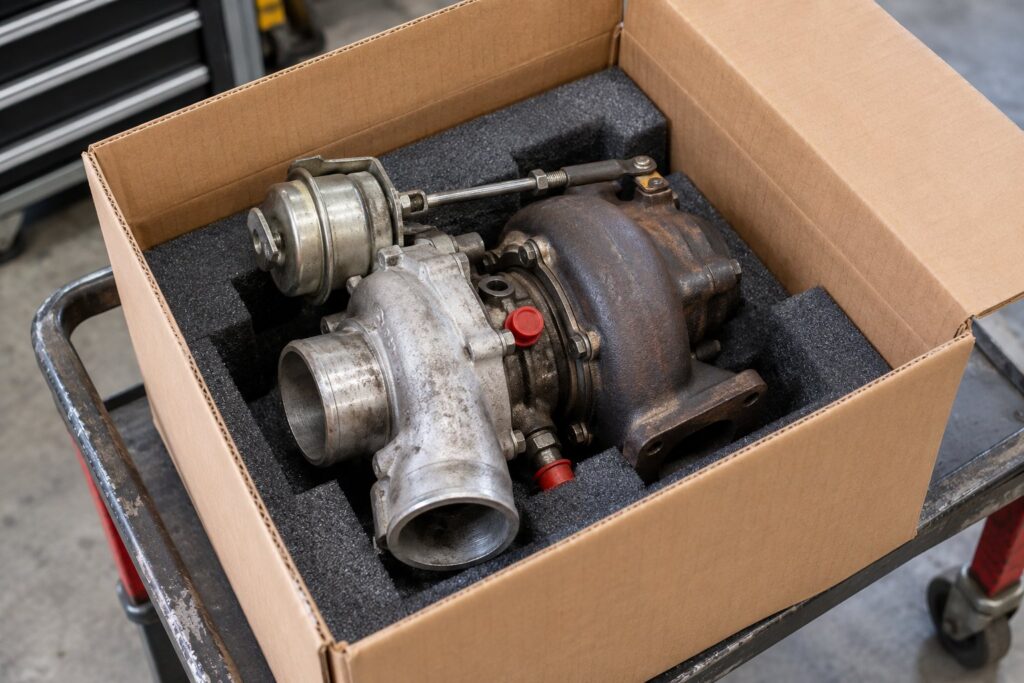
Complete used turbocharger core secured in fitted foam inside an open return shipping box

How the Turbocharger Core Return Process Works: What to Expect

Understanding how the turbocharger core return process works saves you real money, keeps your order moving, and prevents the surprise charges that catch too many first-time buyers off guard. At its heart, the process is simple: you send back your old, used-up turbo (the “core”) and get back a refundable deposit you paid up front.

How the Turbocharger Core Return Process Works: What to Expect Read More »

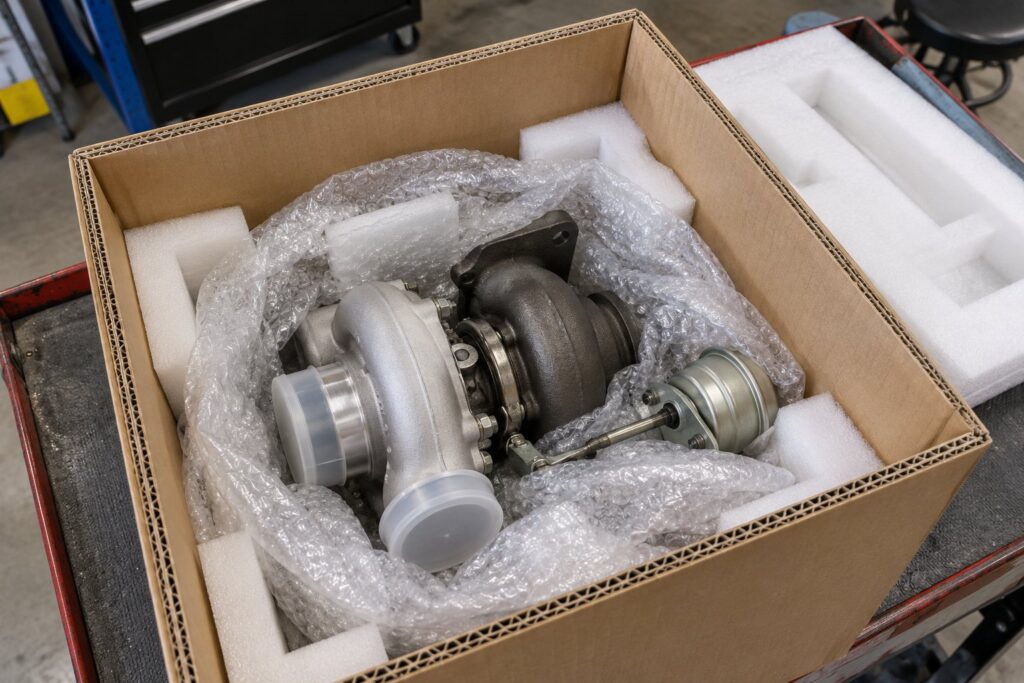
Turbocharger core wrapped in bubble wrap and secured inside a double-wall shipping box with dense foam blocks

How to Pack and Ship a Turbocharger for Rebuild: Step-by-Step Guide

Knowing how to pack and ship a turbocharger for rebuild is the difference between getting your unit back fast and in one piece, or dealing with cracked housings, bent compressor wheels, and weeks of delay. A turbocharger is a precision-balanced assembly spinning up to 150,000 RPM, and the cartridge inside tolerates almost no abuse during

How to Pack and Ship a Turbocharger for Rebuild: Step-by-Step Guide Read More »

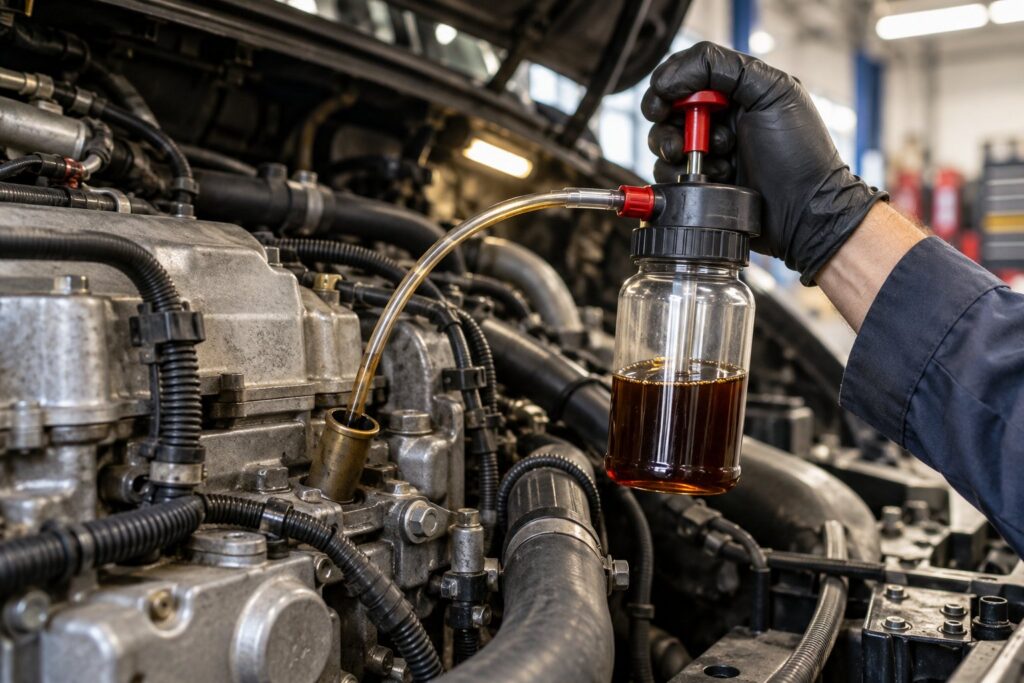
Diesel engine oil sampled through a dipstick tube with a vacuum pump into a clean laboratory bottle

How to Use an Engine Oil Analysis Report to Diagnose Turbocharger Wear

Knowing how to use an engine oil analysis report is one of the cheapest and most accurate ways to catch turbocharger wear before it turns into a grenaded center section and a four-figure repair bill. A $25 oil sample can tell you what’s happening inside your turbo, bearings, and bushings long before you hear a

How to Use an Engine Oil Analysis Report to Diagnose Turbocharger Wear Read More »

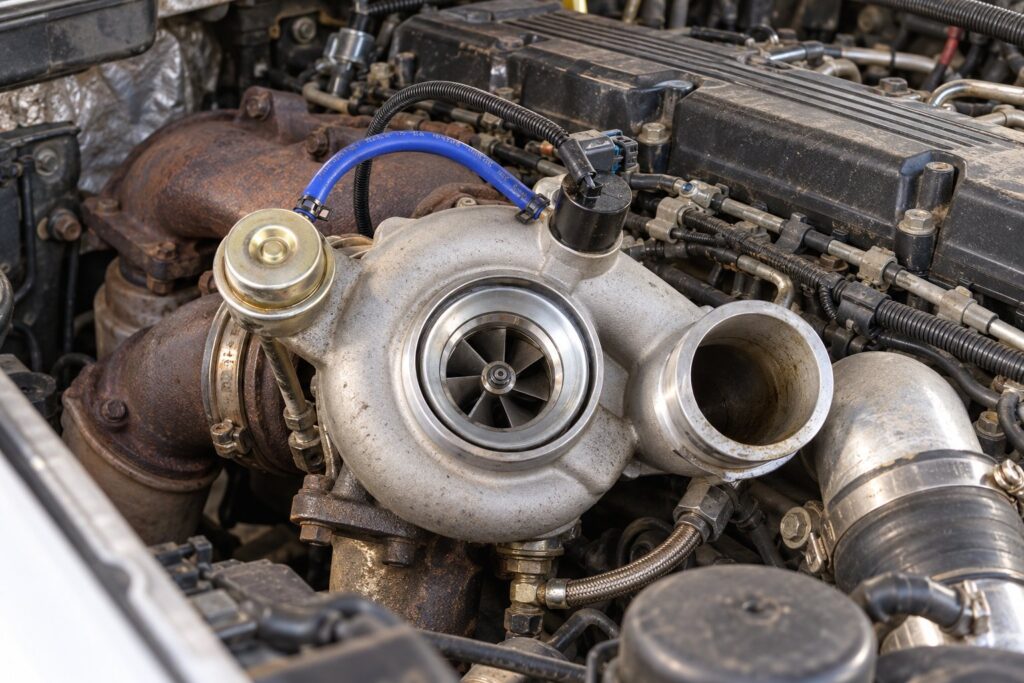
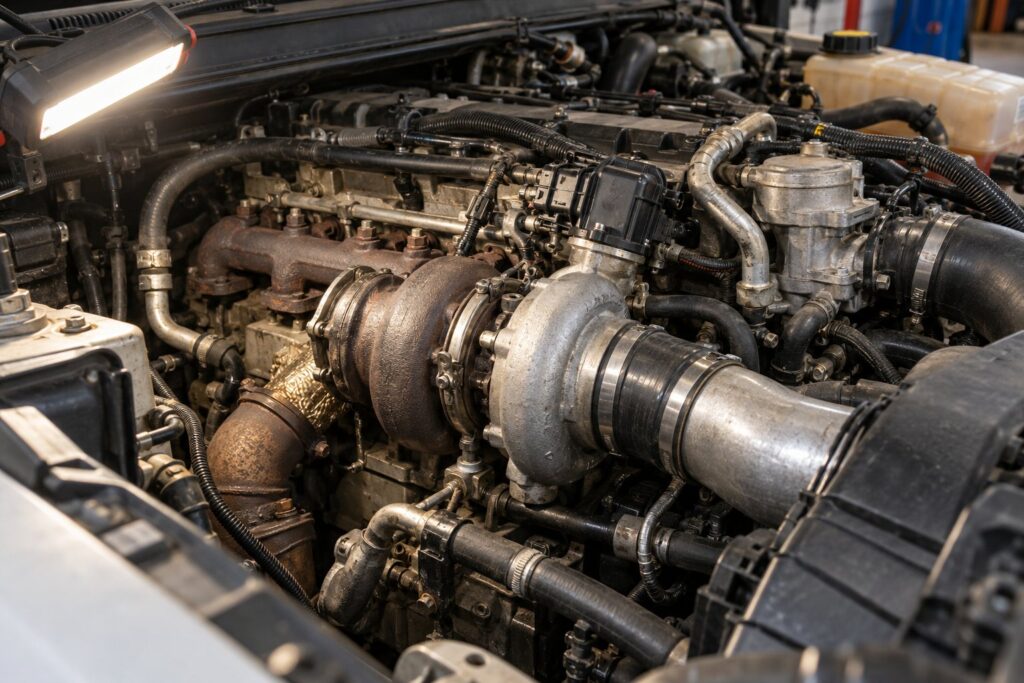
Diesel engine bay showing an installed variable-geometry turbo and connected EGR plumbing during inspection

EGR System and Turbocharger Health: What Diesel Mechanics Need to Know

Understanding the relationship between EGR System and Turbocharger Health is one of the most overlooked skills in diesel maintenance, yet it separates mechanics who fix symptoms from those who fix root causes. When an exhaust gas recirculation system goes bad, it rarely fails alone. It takes the turbocharger down with it, often slowly, often expensively,

EGR System and Turbocharger Health: What Diesel Mechanics Need to Know Read More »

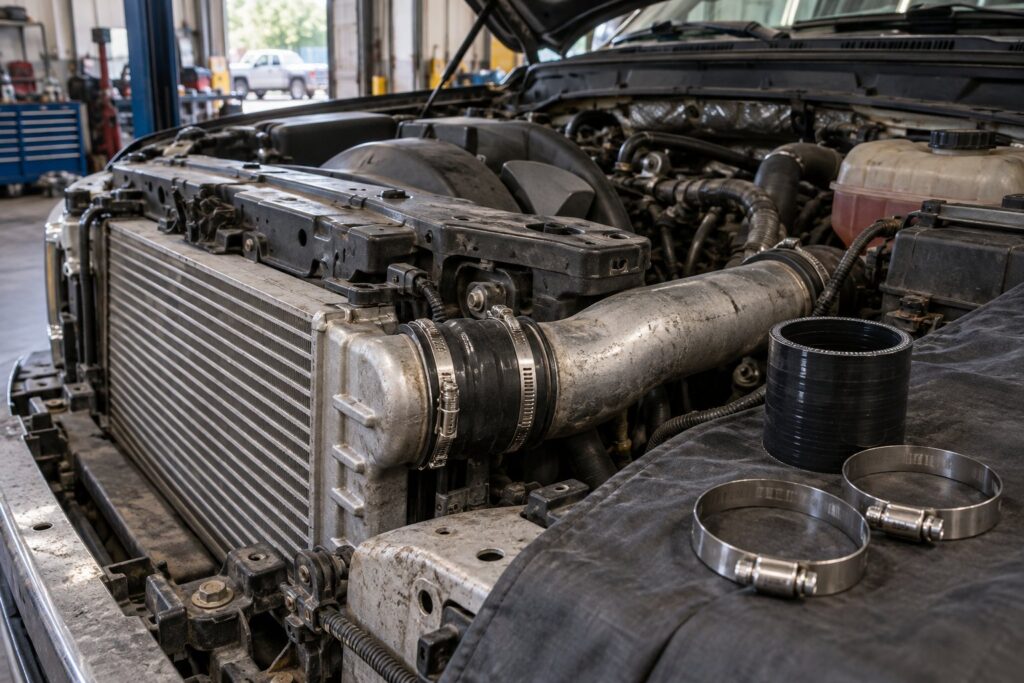
Diesel truck engine bay with intercooler charge pipe and replacement boot ready for installation

How to Replace Intercooler Boots and Pipes on a Diesel Truck

Knowing how to replace intercooler boots and pipes on a diesel truck is one of the most valuable skills an owner-operator or fleet tech can have, because a single split boot can rob you of boost, torque, and fuel economy overnight. Charge air piping lives in a brutal environment: constant pressure cycling, engine heat, road

How to Replace Intercooler Boots and Pipes on a Diesel Truck Read More »