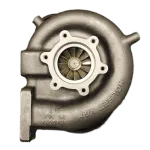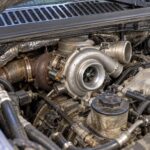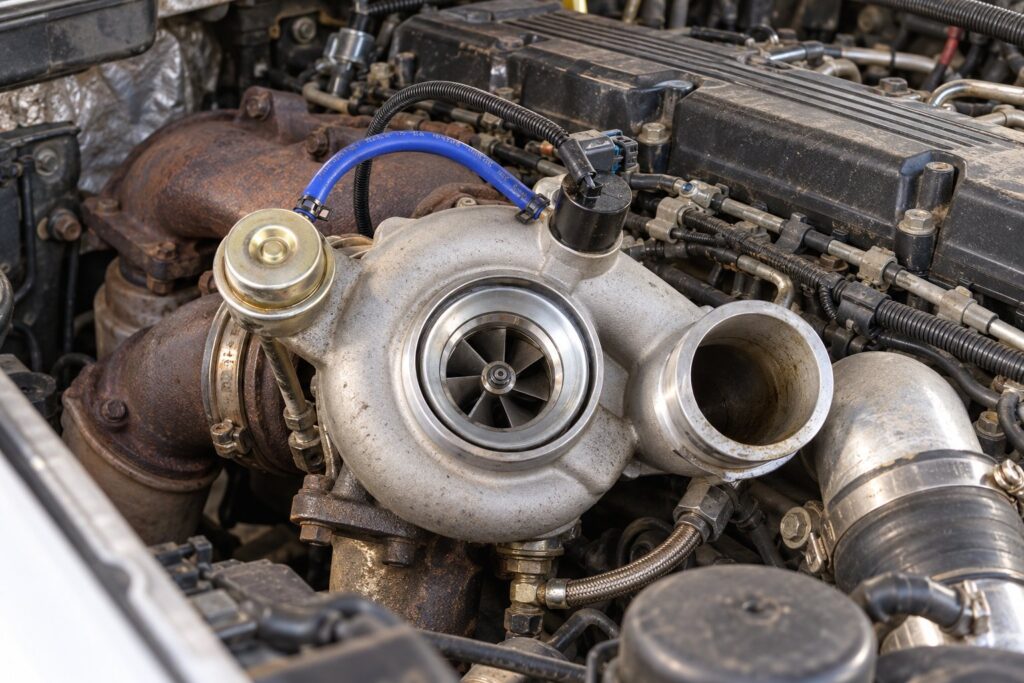
Knowing How to Inspect a Pull-Off Turbocharger Before Buying can save you thousands of dollars and keep a good engine from being wrecked by a bad core. A pull-off, meaning a turbo that was removed from a running or recently running engine rather than a salvage pile, can be a smart buy for the right price. But not every pull-off is worth the money, and a few of them will cost you far more than a new unit once they fail at 10,000 miles.
At PT Turbo we have been buying, selling, and rebuilding turbochargers for more than 45 years. We stock both new and remanufactured units, and we see pull-offs come across the bench every week. This guide walks you through exactly what to check, in the order a seasoned builder would check it.
What a Pull-Off Turbocharger Actually Is
A pull-off is a used turbocharger removed from a vehicle that was still operational. The engine may have been totaled in a wreck, retired for unrelated reasons, or parted out. Unlike a remanufactured turbo, a pull-off has not been disassembled, cleaned, measured, or fitted with new bearings and seals.
That is the key distinction. A remanufactured turbocharger has been torn down to the core, inspected to spec, and rebuilt with new wear parts and a balanced rotating assembly. A pull-off is sold in whatever condition it left the engine. You are inspecting a used part, not a serviced one.
For a deeper look at the economics of reman versus used, our Remanufactured Turbocharger Buying Guide breaks down what to look for and what to avoid.
Step One: Check the Shaft Play Before Anything Else
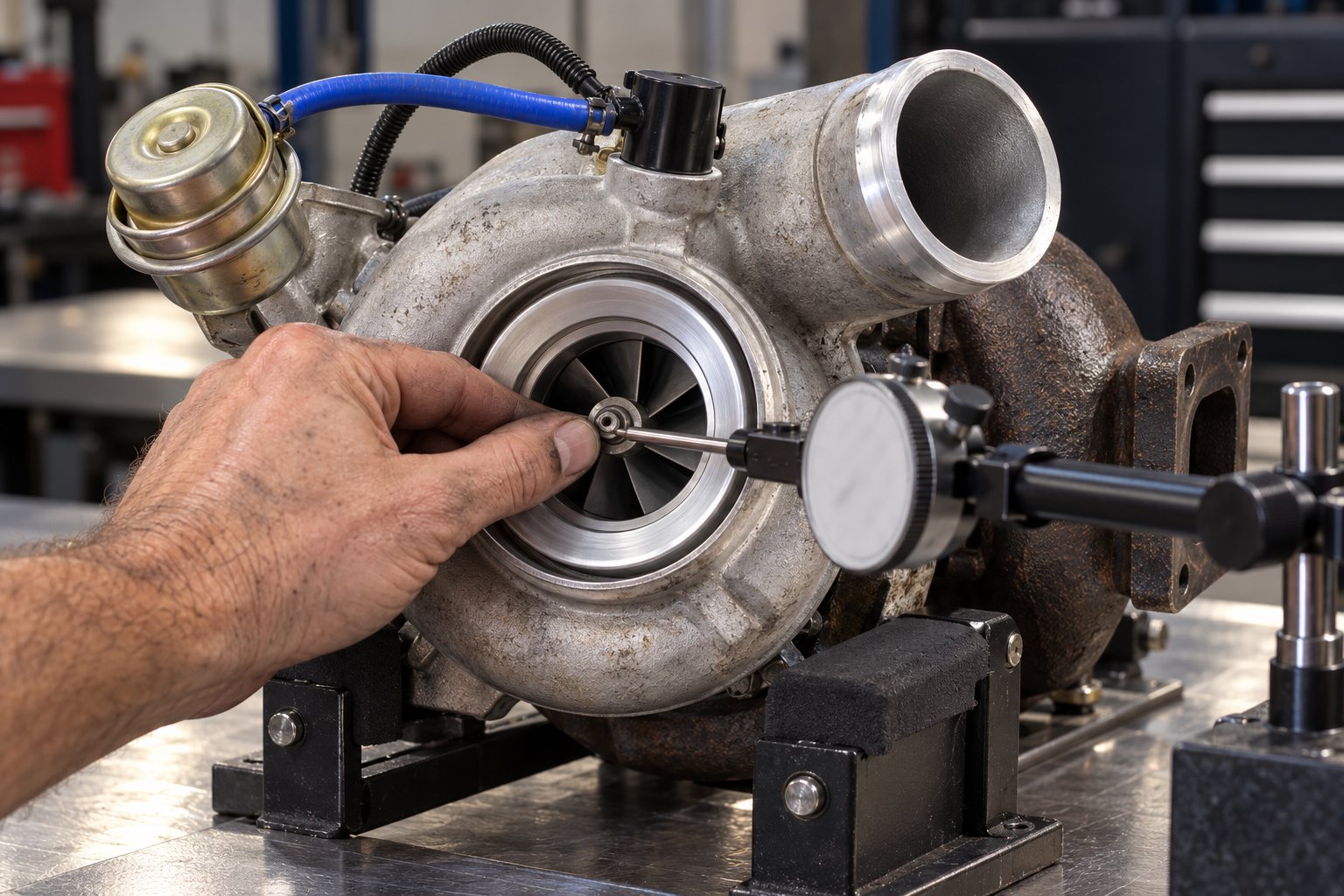
Shaft play is the single most important mechanical check on any used turbo. The rotating assembly rides on journal bearings and a thrust bearing, and worn bearings are the most common reason a pull-off is sitting on a shelf in the first place.
Grab the compressor wheel nut (or the shaft end) and test two types of movement:
- Radial play: Push the shaft side to side. A small amount is normal. The wheel should never contact the housing.
- Axial play (endplay): Pull and push the shaft in and out along its axis. On most heavy-duty units this should be roughly 0.001 to 0.004 inches. More than about 0.004 inches means the thrust bearing is worn.
Spin the wheel by hand. It should turn freely with no grinding, no catching, and no rubbing sound. If you feel grit or hear the wheel kiss the housing, walk away. That turbo needs a rebuild, and you should price it accordingly.
Step Two: Inspect the Compressor and Turbine Wheels
Pull the inlet hose and look straight at the compressor wheel. Then look through the exhaust outlet at the turbine wheel. You are hunting for physical damage that tells you something went through the turbo or that it was running hot.
Check each blade for:
- Impact damage: Bent, chipped, or broken blade tips mean debris entered the turbo. Even one damaged blade throws off balance and will cause vibration failure.
- Rub marks: Polished or scraped tips indicate the wheel contacted the housing, a sign of bad bearings.
- Erosion and cracking: Thin, eroded leading edges on the turbine side point to high-mileage heat exposure.
- Oil film: A light oily haze can mean seal leakage. Heavy wet oil means the seals are already gone.
Understanding how the two wheels work together helps here. The basic turbocharger principle is simple: exhaust energy spins the turbine, which drives the compressor on a shared shaft. Damage to either wheel compromises the whole assembly.
Step Three: Look for Oil, Coolant, and Heat Damage
Oil tells a story. Pull the oil drain fitting and check inside the center housing. Fresh clean oil is good. Thick black carbon, varnish, or coked deposits mean the previous owner ran it hard and shut it down hot without a cooldown.
That matters more than people realize. Hot shutdowns cook oil in the bearing housing and are a leading cause of premature bearing failure. We explain the mechanism in detail in Why You Must Let Your Diesel Idle Before Shutoff.
On water-cooled center sections, inspect the coolant ports for crusty mineral buildup or signs of corrosion. On the turbine housing, look for cracks radiating from the mounting flange or the wastegate port. Discoloration is normal from heat, but cracks are a hard no.
Severity Guide: What Each Finding Means
| Finding | Severity | What To Do |
|---|---|---|
| Light oil film on compressor | Low | Likely usable, monitor seals |
| Excess endplay over 0.004 in | High | Rebuild required before use |
| Chipped or bent wheel blades | Critical | Do not buy, or buy as core only |
| Cracked turbine housing | Critical | Reject the unit |
| Coked, varnished bearing oil | Medium to High | Teardown recommended |
| Seized or notchy shaft rotation | Critical | Core value only |
How to Inspect a Pull-Off Turbocharger Before Buying the Actuator and VGT Components
Many modern diesel turbos are not simple fixed units. They use a wastegate actuator or variable geometry vanes, and these components fail independently of the rotating assembly. A perfect core with a dead actuator is still a non-running turbo.
On a variable geometry turbocharger, the vanes should move smoothly through their full range. Stuck, sticky, or carbon-bound vanes are common on units that ran with a failing diesel particulate filter or heavy soot load. Work the mechanism by hand if you can access it, and feel for any binding.
For wastegated turbos, inspect the pneumatic actuator. Apply regulated shop air to the actuator can and watch the rod move. It should actuate at the rated pressure and return cleanly. A leaking diaphragm, a bent rod, or a rod that does not hit full travel means a replacement is needed.
The good news is that the actuator is one of the few parts you can replace without rebuilding the whole turbo. PT Turbo stocks exact-fit replacements:
- Garrett Pneumatic Actuator 757979-5102, available for $240.94, view the Garrett 757979-5102 here.
- Garrett Pneumatic Actuator 445963-0040, a heavier-duty unit at $465.52, view the Garrett 445963-0040 here.
- Mitsubishi TD03 Pneumatic Actuator 49S3118761, available for $104.33, view the Mitsubishi TD03 actuator here.
- Mitsubishi Pneumatic Actuator 4918918935, the most affordable option at $83.99, view the Mitsubishi 4918918935 here.
If the core is otherwise solid, factoring in an $84 to $466 actuator can still make a pull-off a strong value. Just build that cost into your offer.
Step Four: Verify the Part Number and Match the Application
A pull-off is only a deal if it actually fits your engine. Find the part number stamped or tagged on the center housing or compressor cover and verify it against the OEM or Garrett Motion and BorgWarner cross references.
Watch for close-but-not-correct units. Two turbos can share a frame size while having different compressor trims, turbine A/R ratios, or actuator calibrations. The wrong trim will run but will not make correct boost, and it can throw fault codes or hurt fuel economy.
Also confirm the EGR and sensor provisions match. Emissions-era turbos often carry position sensors and electronic actuators that must match your ECU calibration.
New vs Remanufactured vs Pull-Off: Which Makes Sense
A pull-off is one option among several. Here is how the three stack up for a typical heavy-duty diesel turbo.
| Option | Typical Cost | Wear Parts | Warranty | Best For |
|---|---|---|---|---|
| New OEM | Highest | All new | Full | Long-haul, critical uptime |
A remanufactured unit lands in the middle on cost, comes with new wear parts and a balanced rotating assembly, and carries a warranty. That makes it the practical choice for most owner-operators who want new-turbo reliability without the new-turbo price. A pull-off is the cheapest up front and ships with its original used wear parts and no warranty, so it fits best as a low-cost spare, a short-term fix, or a core you plan to rebuild yourself.
The right call comes down to how hard the inspection results lean. A pull-off that passes shaft play, shows clean wheels and clean oil, and matches your application is money well spent. One with worn bearings, blade damage, or coked oil is a core at best, and you should price it as one. Run every check above before you hand over a dollar, and the good pull-offs will sort themselves out from the junk.
Frequently Asked Questions
What is a pull-off turbocharger?
A pull-off turbocharger is a unit removed from a running or recently running engine rather than pulled from a salvage pile. It can be a smart buy at the right price if it passes inspection.
How do I check for shaft play on a used turbo?
Gently wiggle the compressor wheel by hand to feel for excessive side-to-side or in-and-out movement. A little axial play is normal, but blades touching the housing or heavy radial play signals a worn bearing.
What are signs of a bad pull-off turbocharger?
Watch for bent or chipped blades, oil residue in the housings, excessive shaft play, and a wheel that contacts the housing. These issues point to internal damage that can wreck your engine.
Cross-Reference & Superseded Part Numbers
The turbochargers covered in this article match or supersede the following OEM and manufacturer part numbers. If you are searching by part number, these are the units stocked by PT Turbo for this application:
12709901044-RMN • 2881708RX-RMN • 2882109RX-RMN • 3771658-RMN • 4047231-RMN • 4047597-RMN • 4309076RX-RMN • 4309355RX-RMN • 479514-RMN • 49180-04052-RMN • 53039700118/53039700163-BILLET • 53047109901-BILLET • 53047109904-BILLET • 5325950-RMN • 5326058-RMN • 5326058-RMN-1 • 5327347-RMN • 5327358HX-RMN • 5459711RX-RMN • 700177-5017S • 800269-5 • 800269-7 • 800270-1 • 804878-4 • 804878-5007S • 835998-5005S • 870702-6001 • 880546-5013S • 880700-5002S • 880700-5010S • 880707-5006S • 880736-6001 • 888883-6001 • 888883-6002 • 891185-6001 • 893516-6001 • 896029-5002S • 914959-0002 • A4720901480-RMN • CHRA-GT3076R • CHRA-GTX3076R • GRR-GT2-GT2-GSK • GRR-GT3-GT4-GT41 • GRR-T4-T04-GSK • GRR-T4-T04-GSK1 • GT1446V • H30-RBL-KIT-UP • H45-RBL-KIT-FLL • HE351CW • NEW-FTR-TWN-TRB • PTT-HSG-999 • PTT-MS3-002 • PTT-TBO-188 • PTT-TBO-352 • PTT-TBO-753 • PTT-TBO-769 • PTT-TBO-847 • PTT-TBO-H34 • PTT-TBO-J55 • PTT-TBO-K91 • PTT-TBO-M24 • PTT-TBO-P22 • PTT-TBO-P69 • PTT-VVW-171 • RMN-5326058 • RMN-5358484HX • RMN-BRG-V2S-TWN • RMN-GRR-GT3-TRB1 • RMN-HLS-H40-TRB • RMN-HLS-H45-TRB • RMN-HLS-H53-TRB • T3-TRB-CMP-HSN • VA-420081 AS12 • VF40-BILLET
Can’t find your number above? Contact PT Turbo — our team has been matching part numbers since 1978.
Need a Turbocharger?
PT Turbo has rebuilt and sold turbochargers since 1978. We stock remanufactured units for Cummins, Duramax, Power Stroke, Detroit Diesel, and more — backed by a 12-month unlimited mileage warranty and same-week shipping from San Bernardino, CA.
📞 (909) 824-1020 · 346 S I St. #3, San Bernardino, CA 92410 · [email protected]