Turbo Whine on Ford 6.0L Powerstroke: Normal Noise vs Bearing Failure Guide
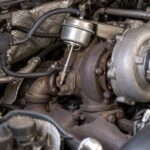
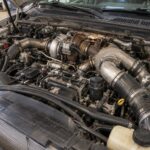
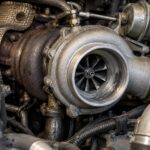
If you have noticed a rising Turbo Whine on Ford 6.0L Powerstroke trucks, the first job is figuring out whether you are hearing a healthy spooling turbo or the early warning of a bearing on its way out. On the 6.0L the factory turbocharger is a Garrett GT3782VA, a variable geometry unit that sits on a pedestal at the rear of the engine valley, and its sound changes a lot with vane position, boost, and load.
Getting this diagnosis right matters because a certain amount of whine is completely normal on this platform, while the wrong kind of noise points to a journal bearing or seal problem that only gets worse. PT Turbo has been rebuilding turbochargers since 1978, more than 45 years, and stocks both new and remanufactured 6.0L units, so this guide walks you through what the noise is actually telling you.
Why the 6.0L Power Stroke Turbo Whines at All
The GT3782VA is a variable geometry turbocharger. Instead of a wastegate, it uses movable vanes in the turbine housing that the PCM positions through a VGT control solenoid, and on the 6.0L those vanes are moved by engine oil, not by any external electric or mechanical arm. There is no electric vane actuator and no vane position sensor on this turbo.
Because the vanes change the effective turbine housing geometry on the fly, the turbo makes different sounds at different throttle and load points. A clean, consistent whine or whistle that rises with boost and falls when you lift is normal. If you want the deeper background on how these units work, Wikipedia has a solid overview of the variable geometry turbocharger design.
A healthy 6.0L turbo will often get louder after the vanes carbon up or stick, even though the bearings are fine. Soot and oil residue on the unison ring and vanes change how air moves through the housing, and that alone can raise the pitch of the whine without any bearing damage.
Normal Turbo Whine on Ford 6.0L Powerstroke vs a Failing Bearing
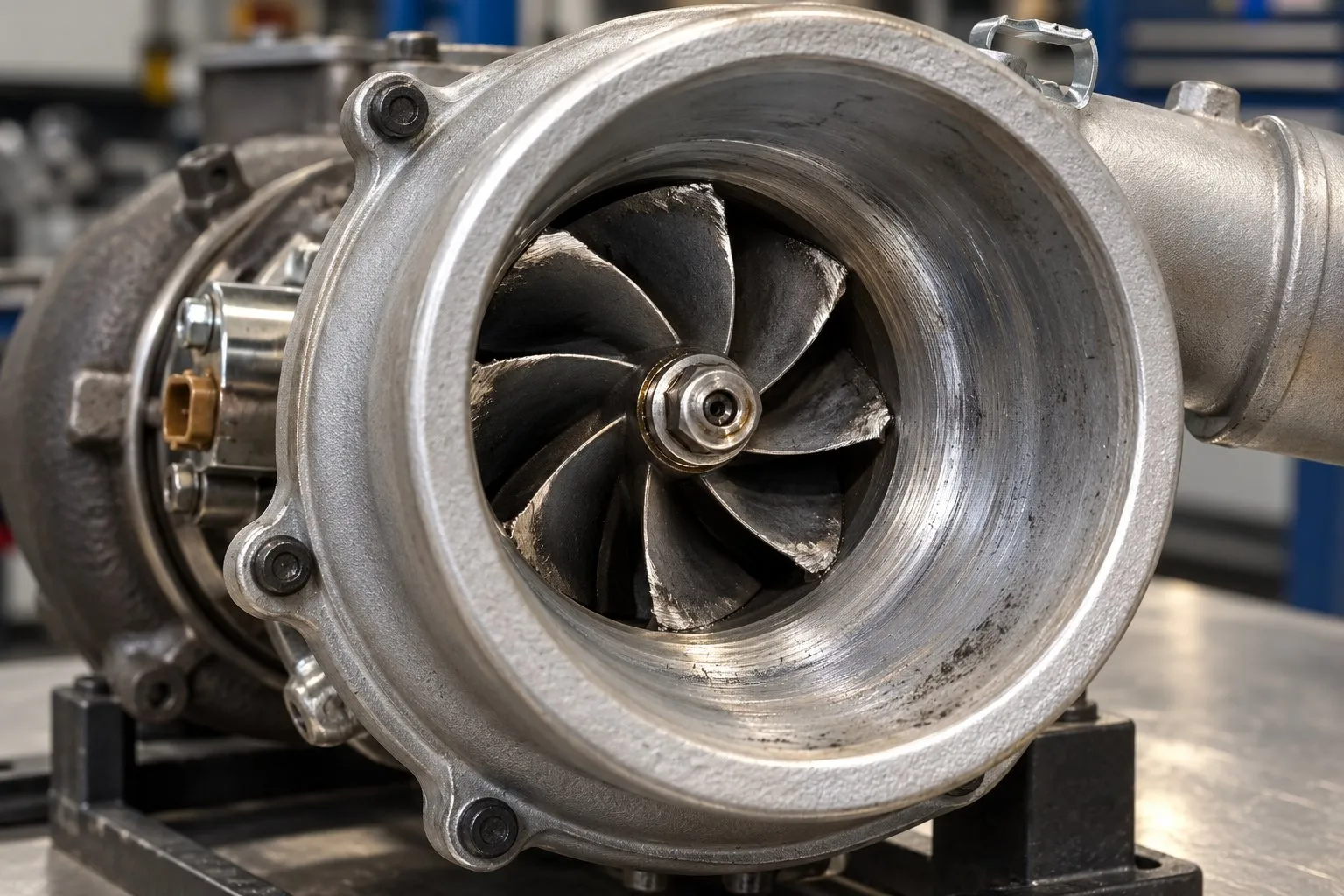
The quickest way to sort normal from failing is to listen to how the noise behaves. Normal whine tracks boost: it is smooth, it rises and falls with throttle, and it is the same every time you drive. A failing bearing or a damaged wheel makes noise that does not follow that pattern.
Warning sounds include a metallic grinding, a siren-like wail that lingers after you lift off the throttle, a rhythmic chirp or rub, or a rattle at shutdown or on spool-up. Any of those point at the center section rather than the vanes.
- Smooth whistle that rises with boost: normal operation, no action needed.
- High-pitched whine that recently got louder but still tracks boost: usually carbon on the vanes and unison ring, not a bearing.
- Grinding, siren wail, or metal-on-metal: suspect bearing or wheel contact, inspect right away.
- Whine paired with blue-gray smoke or oil in the charge pipes: check the breather, oil level, and drain before condemning the turbo seal.
One important point on that last item: a turbo can only push oil into the charge pipes past its compressor-side seal, and some oil film in the piping is normal on any engine with closed crankcase ventilation. Confirm the air filter, breather, oil level, and oil drain are right before you blame the turbo. These symptoms overlap with other failures, and our breakdown of 8 warning signs of 6.0L turbo failure covers the full list.
Checking Shaft Play the Right Way
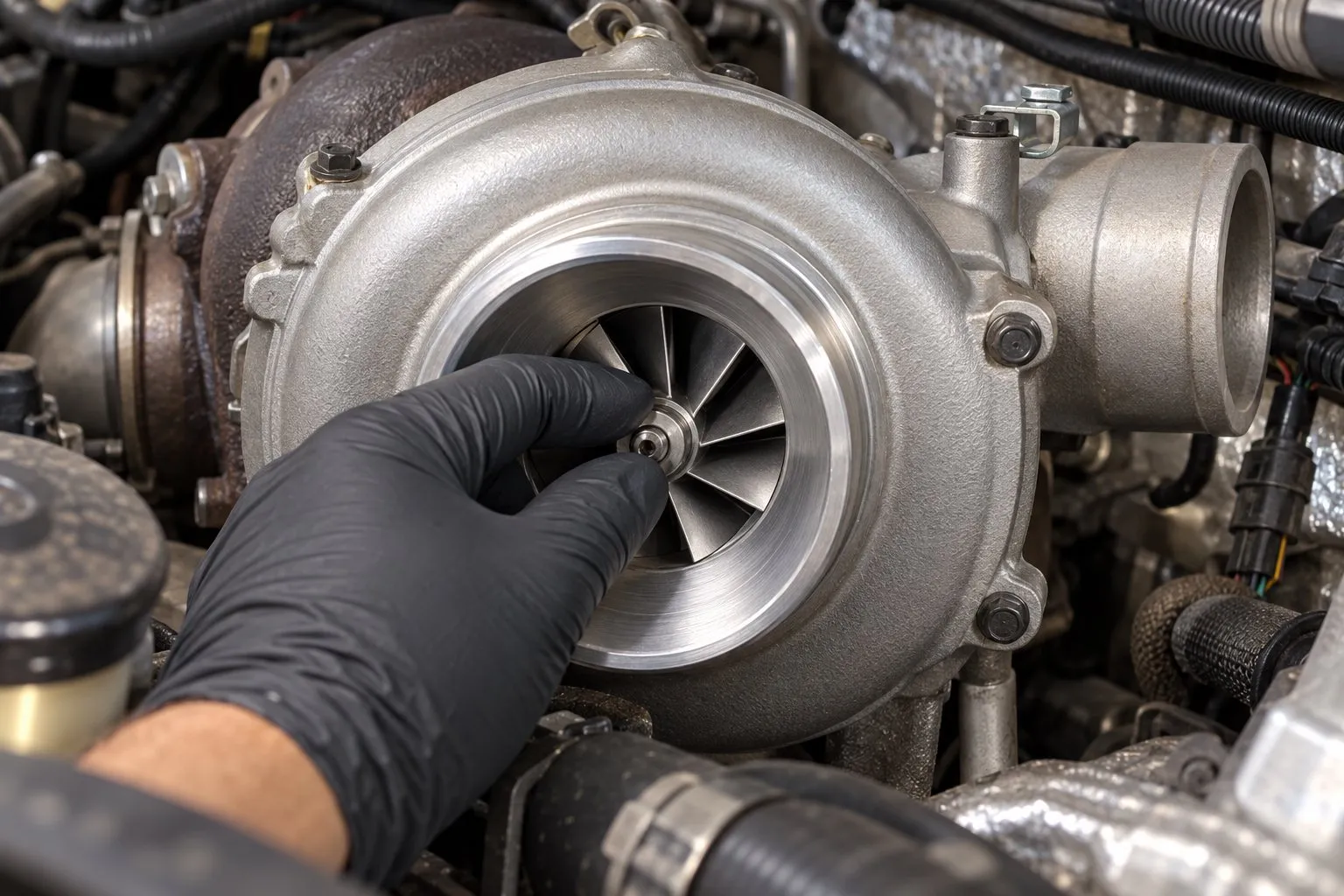
With the intake and intercooler piping off, you can reach the compressor wheel and check for play. This is where a lot of good turbos get condemned for nothing, so understand what you are measuring before you make a call.
A journal bearing turbo like the GT3782VA always has some play. It floats on an oil film, so with no oil pressure you will feel movement. The question is which direction and how much.
| Play type | Typical range | What it means |
|---|---|---|
| Axial (in and out along the shaft) | 0.001 to 0.004 in | Thrust bearing condition; feel for excess in-and-out play |
| Radial at the wheel nose (side to side) | 0.012 to 0.024 in | Normal rock at the wheel; do not condemn on this alone |
| Any wheel contact with the housing | None allowed | Condemn the turbo; the bearings have let the shaft walk into the housing |
The test that counts: spin and rock the wheel while watching for the blades to touch the housing, and feel for in-and-out play you can clearly feel. Side-to-side rock at the wheel nose is normal and expected on a healthy journal bearing turbo. Condemn the turbo for wheel contact, for in-and-out play you can feel, or for play past Garrett’s limit, never for “any movement at all.”
What Actually Kills These Bearings
Most turbo failures trace back to the oil supply, and the 6.0L is no exception. Dirty oil, extended drain intervals, a restricted oil feed, or a coked oil feed line will wear the journal bearings and eventually let the shaft contact the housing. Garrett reports that the large majority of turbo failures are oil related and only a tiny fraction are manufacturing defects.
On this platform the oil that drives the vanes is the same oil that lubricates the bearings, so oil condition does double duty. Carbon buildup from poor oil can stick the vanes and raise the whine, and the same neglect starves the bearings. For more on how the oil system ties into failure on this engine, see our guide to 6.0L turbocharger failure symptoms and replacement options.
If you do find a spun or failed bearing, replace the oil feed line rather than reusing it. Coked oil inside that line will take out the next turbo, so new line is cheap insurance. You can read more about turbo lubrication and bearing design on the general turbocharger reference.
Replacement, Rebuild, and Upgrade Options
If the whine turns out to be a failed bearing, you have three routes: a remanufactured drop-in, a rebuild of your own core, or a PowerMax upgrade. The right choice depends on your budget and how the truck is used.
Removal on the 6.0L is a valley job. The three turbo-to-pedestal bolts torque to 28 ft-lbs, the oil feed is a two-bolt flange (not a banjo) and its bolts go to 18 ft-lbs, and the V-band style exhaust joints are clamps with no gaskets. The oil drain tube seals with O-rings into the high-pressure oil pump cover, and the degas bottle comes off to clear access.
- Remanufactured GT3782VA: a balanced, tested cartridge with your core returned. Browse remanufactured turbochargers for current stock.
- Rebuild your own core: bearings, seal rings, and thrust parts replaced in-house, then VSR balanced. See the turbo rebuild service and the turbo rebuild price list for pricing by model.
- PowerMax upgrade: Garrett offers a PowerMax GT3788VA (772441-5002S, 777469-5002S) as a bolt-in upgrade for the 6.0L while keeping the factory GT3782VA as the stock replacement.
Whatever route you choose, match the part number on the turbo’s data plate, not just the year of the truck. Ford used Garrett 725390 numbers on the early 6.0L and 743250 numbers later, with 743250-5024 on 2004-2005 trucks (including Excursion and E-Series) and 743250-5025 on later 2005.5-2007 Super Duty trucks (sellers split the two by engine serial number). PT Turbo stocks both new and remanufactured 6.0L turbos, and the shop ships most rebuilds in three days or less with a 12-month, unlimited-mileage warranty.
Turbos we list for the GT3782VA
Listings for the turbo models named in this guide that can be ordered online today. Several part numbers can fit one engine by year and rating, so match the number on your turbo’s tag, or call (909) 824-1020 and we will match it for you.
Frequently Asked Questions
Is turbo whine on a 6.0L Power Stroke always a problem?
No. A smooth whistle that rises and falls with boost is normal for the variable geometry GT3782VA, and the pitch can climb as the vanes carbon up without any bearing damage. You should worry when the noise becomes grinding, metallic, or a lingering siren wail that no longer tracks the throttle.
Does the 6.0L turbo set a vane position fault code?
No. The 6.0L turbo has no vane position sensor, so codes like P003A and P2563 do not apply to it. Its low-boost complaint typically shows up as P2263, and the vanes are checked by commanding the VGT solenoid and watching boost and backpressure respond.
Should I replace the oil feed line when I replace the turbo?
Yes, especially after a bearing failure. Coked or contaminated oil in the feed line will damage the new turbo quickly, so a fresh line is the smart move. Fill the turbo’s oil inlet with clean engine oil and prime it before the first start, following the maker’s first-start steps.
Need a Turbocharger?
PT Turbo has rebuilt and sold turbochargers since 1978. We stock remanufactured units for Cummins, Duramax, Power Stroke, Detroit Diesel, and more — backed by a 12-month unlimited mileage warranty. Units in stock at our shop in San Bernardino, CA ship the same day when ordered before 2 PM Pacific, Monday through Friday.
📞 (909) 824-1020 · 346 S I St. #3, San Bernardino, CA 92410 · [email protected]