Duramax LML Turbocharger Guide: GT3788VA Problems & Replacement (2011-2016)
If you run a 2011-2016 GMC Sierra or Chevy Silverado HD with the 6.6L LML Duramax, the GT3788VA turbocharger is the single most likely big-ticket failure you will face. This Garrett variable geometry unit was a genuine step forward over the LMM’s setup, but the vane mechanism, its sensor and solenoid, and the bearing system still wear out, especially on trucks that tow heavy, idle long, or skip oil changes. When it goes, you lose boost, throw codes, and watch fuel economy tank. Here is exactly how the LML turbo fails, how to diagnose it, and what it costs to fix it right.
What Makes the LML GT3788VA Different
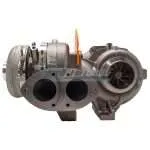
The LML Duramax launched in 2011 as the cleanest, most powerful Duramax yet at 397 horsepower and 765 lb-ft. Backing that output is the Garrett GT3788VA, a variable geometry turbocharger (VGT) that uses electronically controlled vanes to optimize exhaust flow across the rev range. Unlike a wastegated fixed turbo, the VGT closes its vanes at low RPM for quick spool and opens them at high RPM to prevent overspeed. It also doubles as an exhaust brake, which is why these turbos work hard their entire service life.
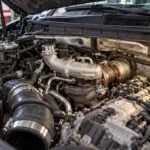
The LML turbo is commonly listed under Garrett part number 848212 and related numbers. It mounts in the valley between the heads, fed by a single oil supply line and cooled by engine coolant. That valley location is the root of many of the problems we see: heat soak, restricted oil drainback, and control parts that live in a brutal thermal environment.
If you are cross-shopping the older Duramax platforms, our LBZ GT3788VA guide and LMM variable geometry guide cover the previous-generation hardware that shares a lot of DNA with the LML.
Common GT3788VA Problems on the LML Duramax
After 45+ years rebuilding turbochargers, we see the same handful of failure modes on these units over and over. Here they are in order of how often they land on our bench.
1. Variable Geometry Vane Sticking
Soot and carbon build up in the vane mechanism, especially on trucks that idle a lot or run short-haul cycles that never get the exhaust hot enough to burn off deposits. The vanes start to drag, then stick. You feel it as laggy spool, surging boost, or a dead spot off idle. Severe cases throw P0299 (underboost) or P003A (turbo position control).
2. Vane Position Sensor and VGT Solenoid Faults
The LML moves its vanes with engine oil, metered by a VGT solenoid on the turbo’s center housing, and reads their position with a separate vane position sensor. Both sit on a turbo that runs over 1,300 degrees F at the turbine, and both wear. Symptoms include codes P0045, P0046 and P2563, plus erratic vane movement or a complete loss of boost control. After either part is replaced the ECM has to relearn vane position.
3. Bearing Wear and Shaft Play
The journal bearings rely on clean oil at the right pressure. Stretched oil change intervals, soot-loaded oil, or a partially blocked feed line lead to bearing wear. Once you have measurable shaft play, you get oil leaking past the seals into the intake or exhaust. Blue or gray smoke, oil in the charge pipes, and a whining or grinding turbo all point here.
4. Oil Leaks and Coking
Shut a hot turbo down hard after towing and the oil sitting in the center housing bakes into hard carbon. That coking restricts oil flow and accelerates bearing failure. The valley location traps heat, making LML turbos more prone to coking than externally mounted designs.
How to Diagnose a Failing LML Turbo
Do not condemn the turbo on a code alone. P0299 underboost has a dozen possible causes on this engine, from a leaking intercooler boot to a clogged DPF. Work through this sequence before you pull the unit.
- Scan and record freeze-frame data. Note commanded vs actual boost and vane position. A consistent gap between commanded and actual boost narrows it to the turbo or its control parts.
- Inspect all charge-air piping. A blown intercooler boot or cracked CAC mimics turbo failure perfectly. Pressure-test the system if you can.
- Check the air filter and intake for restriction. A plugged filter starves the compressor.
- Command the vanes with a scan tool. Watch actual position follow the command. Hesitation or no movement points to sticking vanes, a failed solenoid or a bad sensor.
- Inspect for shaft play. Pull the intake pipe, spin the compressor wheel by hand, and feel for in-and-out movement or contact with the housing. Any rub means the bearings are done.
- Look for oil in the charge pipes. A light film is normal. Pooled oil means seal failure.
If you confirm sticking vanes or shaft play, the turbo needs to come off. A sensor or solenoid can be changed with the turbo in place. Once the turbo is off, the decision is repair, reman, or replace.
Replacement Options and Cost
You have three real paths: a new OEM Garrett unit, a quality remanufactured turbo, or rebuilding your original core. Here is how they stack up.
| Option | Typical Cost | Best For | Notes |
|---|---|---|---|
| New Garrett GT3788VA | $1,863 to $1,966 (2 listings) at PT Turbo | Warranty-sensitive fleets | Highest cost, factory spec, long lead times |
| Remanufactured GT3788VA | $1,339 (1 listing) at PT Turbo | Most owner-operators | New CHRA components, vane mechanism cleaned and checked, balanced and tested |
| Rebuild your core | From $575 at PT Turbo (price list) | Truck down, core in good shape | Lowest cost if housings are not damaged |
For the majority of LML owners, a quality remanufactured unit is the smart money. A properly remanufactured turbo gets new bearings, seals, a balanced rotating assembly and a cleaned, free-moving vane mechanism before it ships. PT Turbo stocks both new and remanufactured turbochargers, and every reman we send out is built to OEM tolerances. If your housings are clean and you want to keep your matched-numbers core, our turbocharger rebuild service turns your unit around fast.
Want to see what is in stock for your application? Browse our full turbocharger catalog or contact our team with your VIN and we will match the correct unit.
Installation: Do It Once, Do It Right
The LML turbo lives in the valley, so plan on removing the inner fenders, heat shields, downpipe and both up-pipes to get clearance. Budget most of a day for a careful job. The single biggest mistake we see is reusing old gaskets, hardware, and oil lines. A turbo failure dumps debris into the system, and if you do not address the supply and drain lines you risk killing the new unit.
Always install a fresh installation kit. A proper kit includes the turbo gaskets, oil feed and drain seals, and the fasteners that should never be reused. The correct kit makes a clean install far easier.
Whatever platform you run, the lesson is the same: never bolt a fresh turbo to old gaskets and a clogged oil drain. If you are not sure which kit fits your truck, call us and we will confirm the correct part number.
Before first start, prime the new turbo. Crank the engine with the fuel disabled or pre-fill the oil feed so the bearings see oil before they see boost. Then idle for several minutes and watch for leaks. After towing, give the turbo a 2 to 3 minute cooldown idle before shutdown to prevent the coking that killed the original.
Prevention: Make the Next One Last
The LML turbo is durable when it is fed clean oil and not abused at shutdown. Stick to these habits:
- Change oil on time with a spec CK-4 or equivalent. Soot loading degrades oil faster than the calendar suggests.
- Run a strong air filter and inspect it often. Compressor wheels do not survive ingested grit.
- Let the truck idle to cool after heavy pulls. This single habit prevents the most common coking failures.
- Address EGR and DPF issues promptly. Excess soot is what gums up the vanes.
None of this is exotic. The LML turbo fails early when oil goes neglected and when a hot truck gets shut down the second it stops rolling. Fix those two habits and the vane mechanism stays clean enough to do its job for the long haul.
If you catch the early symptoms, a sticking vane or a tired sensor, and act before the bearings take damage, you often save the core and the cost that comes with a full replacement. Stay ahead of the codes and the GT3788VA will give you honest service.
Price ranges in this article are general estimates to help with budgeting, not PT Turbo quotes. Our current prices are on each product listing, and our rebuild prices are on the turbo rebuild price list.
Turbos we list for the GT3788VA
Listings for the turbo models named in this guide that can be ordered online today. Several part numbers can fit one engine by year and rating, so match the number on your turbo’s tag, or call (909) 824-1020 and we will match it for you.
Frequently Asked Questions
What are the most common GT3788VA turbocharger problems on the LML Duramax?
The most frequent failures involve the variable vane mechanism sticking, vane position sensor and solenoid faults, and worn bearings. These issues are accelerated on trucks that tow heavy or idle for long periods.
What are the symptoms of a failing LML Duramax turbocharger?
Common signs include reduced power, excessive black or white smoke, whistling or grinding noises, and turbo-related diagnostic trouble codes. You may also notice sluggish acceleration and poor throttle response.
Can you replace just the sensor or solenoid instead of the whole GT3788VA turbo?
Yes, when the turbo internals are healthy. The vane position sensor and the VGT solenoid can each be replaced with the turbo in place. If the vanes are seized or the bearings are worn, the turbo needs a rebuild or replacement.
Further reading: Learn more about turbocharger technology.
Shopping by part number?
Every part number we stock for the Garrett GT3788VA is on one page, with live prices and stock: Garrett GT3788VA turbos and parts.
Need a Turbocharger?
PT Turbo has rebuilt and sold turbochargers since 1978. We stock remanufactured units for Cummins, Duramax, Power Stroke, Detroit Diesel, and more — backed by a 12-month unlimited mileage warranty. Units in stock at our shop in San Bernardino, CA ship the same day when ordered before 2 PM Pacific, Monday through Friday.
📞 (909) 824-1020 · 346 S I St. #3, San Bernardino, CA 92410 · [email protected]
More From PT Turbo
 Ram 1500 EcoDiesel Turbocharger Guide: 3.0L VM Motori Failures & Replacement
- Mack MP7 Turbocharger Guide: Shared with Volvo D11 & What That Means for Parts
- International T444E Turbocharger Guide: Ford 7.3L Powerstroke Connection Explained
- Ford 6.7L Powerstroke Turbocharger Guide: GT32 Failures, Symptoms & Replacement Cost