PT Turbo

Turbo Guides

High-Altitude Turbocharger Performance: What Changes Above 5,000 Feet

High-Altitude Turbocharger Performance is one of the most misunderstood topics in diesel operation, and once you take a truck, generator, or piece of heavy equipment above 5,000 feet, the physics stop cooperating with your engine. Thinner air means less oxygen per cubic foot, and that single fact ripples through boost pressure, exhaust temperature, spool response,

High-Altitude Turbocharger Performance: What Changes Above 5,000 Feet Read More »

EGR Cooler Failure and Turbocharger Damage: Understanding the Connection

EGR Cooler Failure and Turbocharger Damage go hand in hand more often than most operators realize, and by the time the turbo shows symptoms, the root cause has usually been building for thousands of miles. When an EGR cooler starts to fail, it doesn’t just throw a check engine light. It sends coolant, steam, and

EGR Cooler Failure and Turbocharger Damage: Understanding the Connection Read More »

How a Clogged DPF Destroys Your Turbocharger: The Relationship Explained

Understanding how a clogged DPF destroys your turbocharger is one of the most valuable pieces of knowledge a diesel owner or fleet manager can have, because the two components are far more connected than most people realize. The diesel particulate filter and the turbocharger sit inches apart in the exhaust stream, and what happens to

How a Clogged DPF Destroys Your Turbocharger: The Relationship Explained Read More »

Intercooler and Turbocharger Performance: How They Work Together

Intercooler and Turbocharger Performance depends on one simple physical truth: hot air is thin air, and thin air kills power. When your turbo compresses intake charge, it also heats it dramatically, and that heat robs density, timing headroom, and combustion efficiency. The intercooler exists to fix exactly that problem, which is why these two components

Intercooler and Turbocharger Performance: How They Work Together Read More »

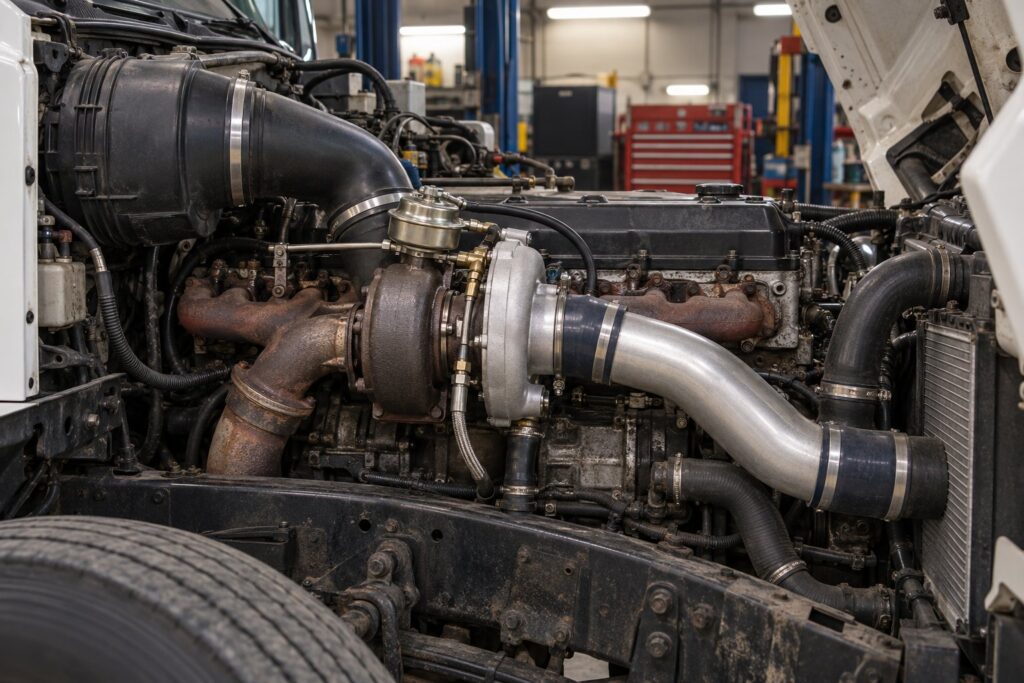
Compound Turbo Systems for Diesel: When Two Turbos Are Better Than One

Compound Turbo Systems for Diesel represent one of the most effective ways to make serious, reliable power from a diesel engine without pushing a single turbocharger past its efficiency limits. Instead of relying on one big charger to do everything, a compound setup stacks two turbos in series, letting each unit do the job it

Compound Turbo Systems for Diesel: When Two Turbos Are Better Than One Read More »

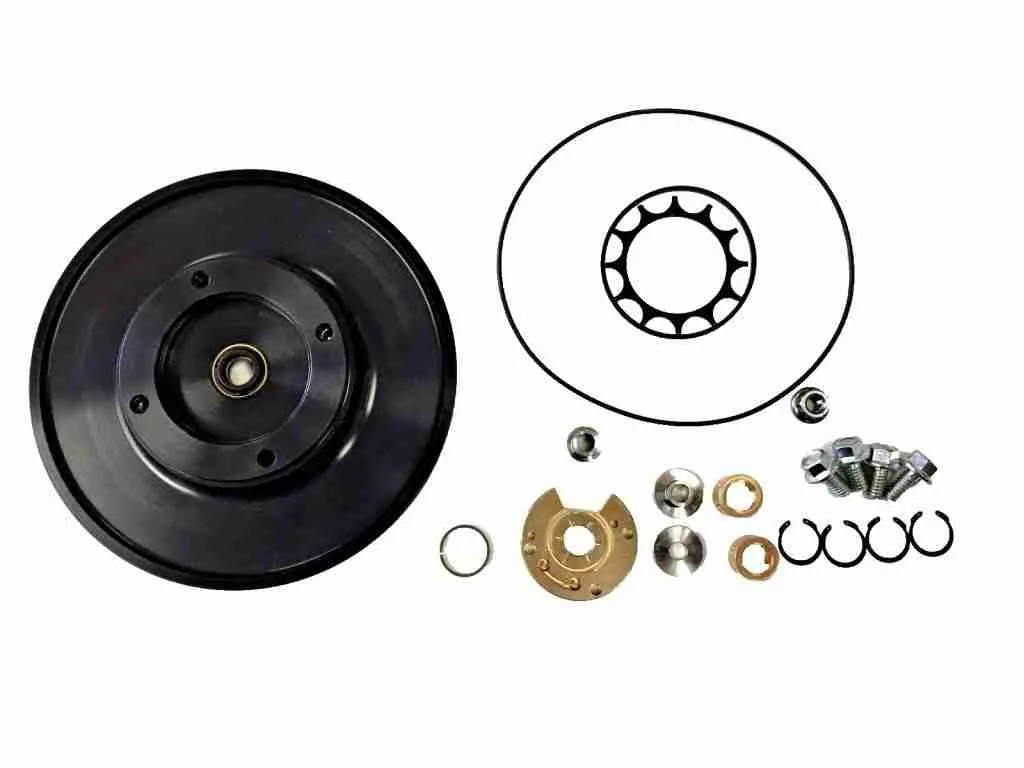
X15 Rebuild Kit – Fully CNC with Upgraded Thrust Bearings – PT Turbo

Ceramic Ball Bearing vs Journal Bearing Turbos: Is the Upgrade Worth It?

Understanding the real-world difference in the Ceramic Ball Bearing vs Journal Bearing Turbos debate is the first step toward deciding whether spending the extra money actually pays off for your diesel, your fleet, or your build. At PT Turbo, we have been rebuilding, testing, and selling turbochargers since 1978, and in that time we have

Ceramic Ball Bearing vs Journal Bearing Turbos: Is the Upgrade Worth It? Read More »

Twin Turbo vs Single Turbo Diesel: Advantages, Disadvantages & Real-World Differences

The debate over Twin Turbo vs Single Turbo Diesel setups comes up in every shop, on every fleet, and at every diesel forum, and the honest answer is that neither configuration is universally “better.” Each design solves specific airflow, spool, and packaging problems, and the right choice depends on your engine platform, duty cycle, and

Twin Turbo vs Single Turbo Diesel: Advantages, Disadvantages & Real-World Differences Read More »

Variable Geometry vs Wastegate Turbocharger: Pros, Cons & Which to Choose

Understanding the difference in a Variable Geometry vs Wastegate Turbocharger setup is one of the most important decisions a mechanic, fleet manager, or owner-operator can make when spec’ing or repairing a diesel. Both designs solve the same fundamental problem, controlling boost pressure across a wide RPM range, but they do it in completely different ways

Variable Geometry vs Wastegate Turbocharger: Pros, Cons & Which to Choose Read More »

Semi Truck Turbocharger Guide: Maintenance, Replacement Intervals & Cost

This Semi Truck Turbocharger Guide is built for the people who actually keep freight moving: owner-operators, fleet managers, and diesel techs who need straight answers on maintenance, replacement timing, and real-world cost. A turbocharger on a Class 8 truck spins up to 130,000 RPM under boost pressures north of 30 PSI, so when it fails,

Semi Truck Turbocharger Guide: Maintenance, Replacement Intervals & Cost Read More »