Caterpillar C15 Turbocharger Replacement Cost: New, Reman & Rebuild Compared
PT Turbo rebuild prices: most turbos cost $450 to $975 to rebuild at our shop. See the turbo rebuild price list for yours.
Understanding the real Caterpillar C15 Turbocharger Replacement Cost is the first step toward making a smart repair decision instead of overpaying for parts you don’t need. The C15 is one of the most widely used heavy-duty diesel engines in North American trucking, powering everything from on-highway sleepers to generators and off-road equipment. When the turbo starts failing, you have three legitimate paths: buy new, buy remanufactured, or rebuild the unit you already have.
Comparing engines? See turbocharger replacement cost by engine for the price table across diesel platforms.
At PT Turbo, we’ve been rebuilding and supplying turbochargers since 1978, over 45 years of hands-on experience with Garrett, BorgWarner, Mitsubishi, and Cat-spec units. Below we break down each option with real numbers, real part information, and the technical context you need to choose correctly.
What Drives C15 Turbocharger Replacement Cost
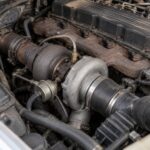
The C15 has appeared in several configurations over its production life, and the turbo setup matters enormously for pricing. Early mechanical and 6NZ/MBN pre-emissions engines used a single fixed-geometry turbo. The ACERT-era C15 (C15 ACERT) introduced a twin-turbo series arrangement, which adds complexity and cost. No on-highway C15 uses a variable geometry turbo.
Before you price anything, identify exactly what’s on your engine. A single fixed turbo rebuild is a different job, and a different bill, than replacing a matched twin-turbo pair.
- Engine serial prefix (6NZ, MBN, BXS, SDP, etc.) determines turbo spec
- Single vs. twin-turbo configuration
- High-pressure or low-pressure turbo on a twin-turbo engine: they are different parts at different prices
- Wastegate actuator: on a wastegated turbo it can be replaced separately
If you’re still diagnosing the failure itself, our full Caterpillar C15 Turbocharger Guide covers common failure modes, symptoms, and the specific parts that fail most often.
New, Reman & Rebuild: The Three Options Compared
Each route has a place depending on your budget, downtime tolerance, and how long you plan to keep the truck. Here’s how they stack up for a typical C15 application.
| Option | Typical Cost (Parts Only) | Lead Time | Best For |
|---|---|---|---|
| New OEM / Genuine | Quoted by part number | In stock to several days | Warranty-sensitive fleets, newest emissions trucks |
| Remanufactured | Quoted by part number | Often same-day shipping | Best value for most owner-operators |
| Rebuild (your core) | From $575 at PT Turbo (price list) | 3 days or less for most rebuilds | Known-good housings, cost-conscious repairs |
Price ranges in this article are general estimates to help with budgeting, not PT Turbo quotes. Our current prices are on each product listing, and our rebuild prices are on the turbo rebuild price list.
These prices cover the turbo only. Labor to R&R a C15 turbo typically runs 3 to 6 hours of shop time, more on twin-turbo layouts where heat shields, lines, and the interstage plumbing all come into play.
New Turbochargers
A new unit gives you a fresh center housing rotating assembly (CHRA), new bearings, a new turbine and compressor wheel, and a full factory warranty. For a late-model emissions C15 that still earns revenue daily, the premium can be worth it for the peace of mind and the paper trail.
The downside is price. New genuine Cat turbos are expensive, and dealer pricing pushes some units higher still.
Remanufactured Turbochargers
A properly remanufactured turbo is torn completely down, cleaned, inspected, fitted with new bearings, seals, and wheels as needed, and rebalanced to spec. Done right, a reman performs like new at a fraction of the cost. This is the sweet spot for most C15 owners.
PT Turbo stocks remanufactured turbochargers that are balanced and tested before they ship. Reman is where you get the best balance of reliability and price, typically saving 40 to 60 percent versus new.
Rebuilding Your Existing Turbo
If your housings and shaft are in good shape and the failure is limited to bearings, seals, or a damaged wheel, rebuilding your core is the most economical route. You keep your original castings and only pay for the wear components and the labor.
Our turbocharger rebuild service handles C15 units with precision balancing on the same equipment we’ve used for decades. Rebuilding only makes sense when the core is salvageable, so a honest inspection comes first.
Don’t Replace the Whole Turbo If the Actuator Is the Problem
This is where a lot of money gets wasted. On wastegated turbos, the wastegate actuator is a frequent failure point, and it’s a separate, replaceable component. A sticking or dead actuator throws the same boost-fault and derate symptoms as a failed turbo, but swapping the actuator costs a small fraction of a full turbo.
Before you condemn a turbo, verify actuator operation. A wastegate actuator that does not move the gate correctly will mimic turbo failure exactly. If the CHRA spins freely and the gate isn’t seized, you may only need an actuator.
Confirm the correct part number for your specific turbo before ordering. If you’re unsure, contact PT Turbo with the part number on your turbo’s tag and we’ll match it.
Single vs. Twin-Turbo C15: Cost Implications
The ACERT C15 series turbo arrangement is important to budget for correctly. When one turbo in a matched series pair fails, the other has usually accumulated identical hours and heat cycles. Replacing only the failed unit can leave you with a mismatched system and a repeat visit.
Many experienced techs replace or rebuild both turbos at the same time on high-mileage engines. It raises the upfront bill, but it avoids paying labor twice and protects against an imminent second failure.
| Scenario | Recommended Action | Cost Consideration |
|---|---|---|
| Single turbo, low hours | Rebuild or reman the single unit | Lowest total cost |
| Twin-turbo, one failed, low miles | Replace failed unit, inspect mate | Moderate |
| Twin-turbo, high miles | Replace or rebuild both | Highest upfront, lowest long-term risk |
How to Cut Replacement Cost Without Cutting Corners
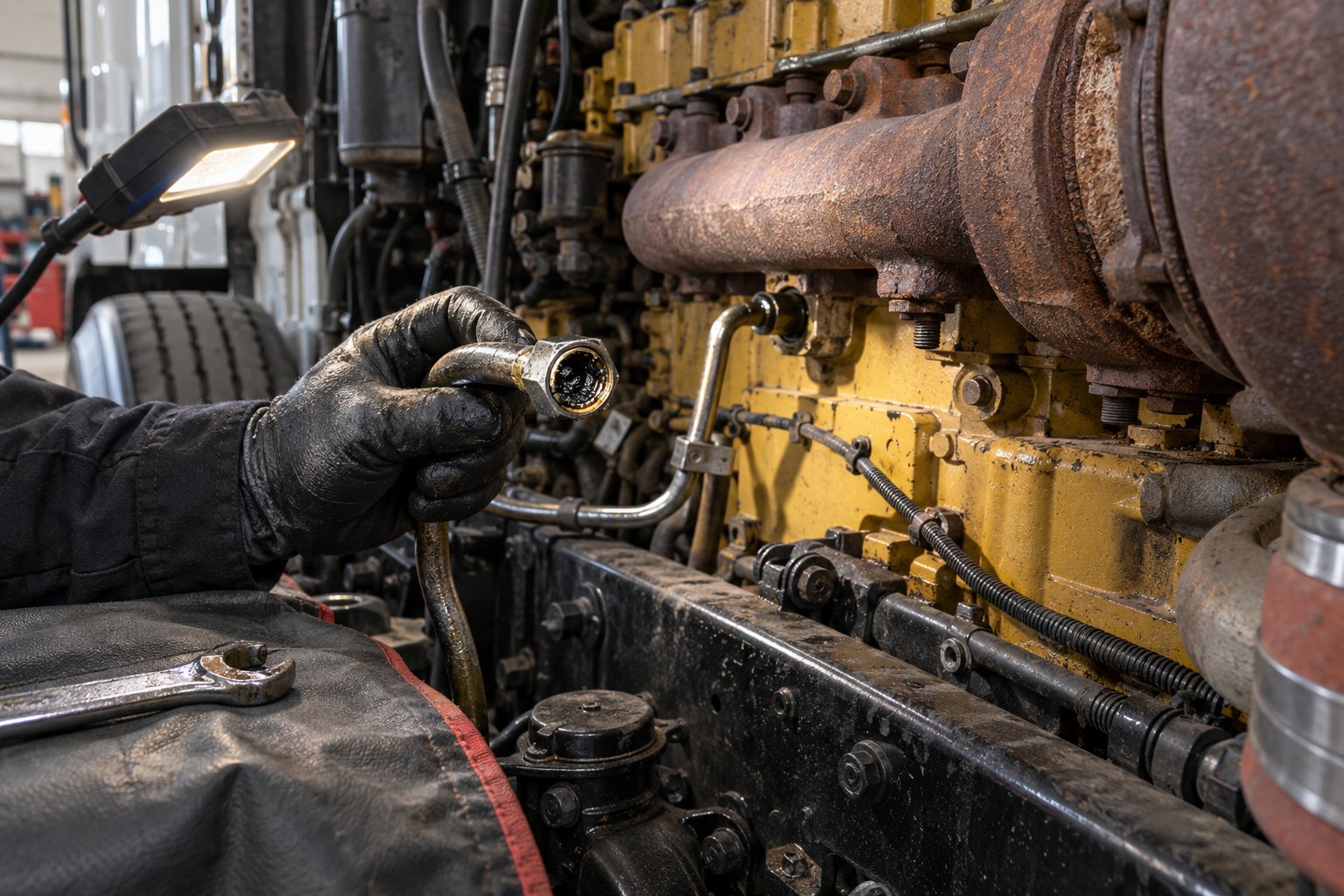
Saving money on a C15 turbo isn’t about buying the cheapest part. It’s about matching the right solution to the actual failure and not throwing parts at a problem. Here’s how we steer customers.
- Diagnose before you buy. Verify boost pressure, check for shaft play, inspect the compressor and turbine wheels, and test the actuator.
- Check oil supply issues first. A coked or restricted oil feed line destroys turbos. Replace a brand-new turbo on a bad oil line and you’ll be buying another one soon.
- Choose reman for the best value. For most working trucks, a quality remanufactured C15 turbo delivers new-like reliability for hundreds less.
- Keep your core. Many reman and rebuild options offer core credit. Don’t toss the old unit.
If you understand how modern diesel emissions equipment interacts with the turbo, you’ll diagnose faster. The EGR system and the diesel particulate filter both affect backpressure and soot loading, which in turn affect turbo life.
Working on other platforms too? We’ve published detailed cost and replacement guides for the Ford 6.7L Powerstroke, the Ram 6.7L Cummins, and the Duramax LLY.
Whatever your configuration, you can browse our full inventory in the PT Turbo store, where we stock both new and remanufactured parts backed by 45+ years in the turbocharger business.
Frequently Asked Questions
How much does it cost to replace a Caterpillar C15 turbocharger?
It depends on the repair path: rebuilding your existing core costs the least, a quality remanufactured turbo sits in the middle and a new genuine unit costs the most. Add 3 to 6 hours of labor depending on whether you’re working on a single or twin-turbo configuration. Reman is the best value for most owner-operators and fleets.
Can I just replace the turbo actuator instead of the whole turbo?
Yes, in many cases. A failed wastegate actuator causes boost faults and power derates that mimic a bad turbo, but if the CHRA spins freely and the wastegate isn’t seized, replacing just the actuator can save you well over a thousand dollars. Match the actuator by the turbo assembly part number on the identification plate, not a housing casting number (one casting serves many turbos), before ordering, and confirm the actuator holds and moves properly.
Should I replace both turbos on a twin-turbo C15?
On a high-mileage ACERT C15, replacing or rebuilding both series turbos at once is usually the smart move. Both units have shared the same heat cycles and hours, so the surviving turbo is often close to failure too. Doing both together avoids paying R&R labor twice and reduces the risk of a repeat breakdown.
Need a Turbocharger?
PT Turbo has rebuilt and sold turbochargers since 1978. We stock remanufactured units for Cummins, Duramax, Power Stroke, Detroit Diesel, and more — backed by a 12-month unlimited mileage warranty. Units in stock at our shop in San Bernardino, CA ship the same day when ordered before 2 PM Pacific, Monday through Friday.
📞 (909) 824-1020 · 346 S I St. #3, San Bernardino, CA 92410 · [email protected]