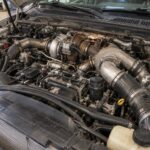
A Turbocharger Seized condition is one of the most abrupt failures you can face on a diesel engine, and it almost never happens without warning signs that got missed. One day the turbo spools fine, the next the shaft won’t rotate, boost is gone, and you’re staring at a dead rotating assembly. The good news is that a seized turbo tells a story, and if you know how to read it, you can figure out the root cause, decide whether to repair or replace, and stop it from happening again.
PT Turbo has been diagnosing and rebuilding turbochargers since 1978. That’s 45+ years of pulling apart seized units and finding the same handful of culprits over and over. Here’s what actually causes a turbo to lock up, what to check first, and how to make the smart repair-versus-replace call.
What “Seized” Actually Means Inside the Turbo
When people say a turbo is seized, they usually mean the shaft that connects the turbine wheel to the compressor wheel will no longer spin freely. That shaft rides on a set of journal bearings and a thrust bearing, lubricated by pressurized engine oil.
Seizure happens when that oil film breaks down or the clearances close up. The metal-to-metal contact generates heat, the parts gall, and the rotating assembly welds itself in place. In severe cases the shaft snaps or the wheels grind into the housing.
There’s a second type of seizure worth knowing about on modern diesels: a stuck variable geometry mechanism or a frozen wastegate. The center rotating group may be fine, but the variable-geometry vane assembly or actuator linkage has seized from soot and carbon. That’s a very different repair, and it’s often cheaper to fix.
Root Causes of a Turbocharger Seized Condition
Nearly every locked-up turbo traces back to one of five root causes. Identify which one you’re dealing with before you spend a dime on parts.
1. Oil Starvation
This is the number one killer. If oil pressure drops, the feed line clogs, or the engine sits after a hot shutdown, the bearings run dry and gall almost instantly. A turbo shaft can hit 150,000 RPM, and it does not tolerate even a few seconds without oil.
Look for a blued, discolored shaft and scored bearing surfaces. We break down the full damage pattern in our guide on turbo oil starvation, and it’s required reading if you suspect this failure.
2. Oil Contamination or Coking
Dirty oil, extended drain intervals, or carbon buildup from hot shutdowns turns lubricant into abrasive sludge. Coked oil bakes onto the bearings and journals, closing clearances until the shaft can’t turn.
Contamination-driven seizure usually shows a varnished, brown baked-on residue throughout the center housing. This is preventable with proper oil quality and letting a hot turbo idle down before shutdown.
3. Bearing Failure
Worn or failed bearings let the shaft move out of position until the wheels contact their housings. Once the compressor or turbine wheel touches metal, the assembly stops hard. Our article on turbocharger bearing failure covers the early warning symptoms that give you a chance to catch this before it seizes.
4. Foreign Object Damage
A broken intake component, a chunk of a failed EGR valve, or debris from an upstream engine failure can enter the turbo and jam the wheel. Damaged blades throw the assembly out of balance and can lock it instantly. See what this looks like in our compressor wheel damage breakdown.
5. Carbon-Locked VGT or Wastegate
On EGR-equipped diesels, soot accumulates on the variable vanes and the actuator linkage. Over time it hardens and the mechanism stops moving. The engine throws boost codes and the turbo feels seized, but the rotating group may spin perfectly. This is one of the most common and most misdiagnosed “seized” turbos we see.
What to Check First: A Diagnostic Sequence
Before you condemn the turbo, work through these checks in order. Many of the “seized” turbos that come across our bench have a fixable actuator or a clogged oil feed, not a destroyed rotating assembly.
- Spin the compressor wheel by hand. With the intake pipe off, try to rotate the wheel. Smooth and free means the CRG is likely fine. Grinding, notchy, or completely locked points to bearing or shaft seizure.
- Check shaft play. Push the shaft in and out (axial) and side to side (radial). Excessive play or hard contact tells you the bearings are gone.
- Inspect the actuator and linkage. Disconnect the actuator rod and try to move the wastegate or VGT lever by hand. If it’s frozen, your problem may be the mechanism, not the turbo core.
- Verify oil supply. Pull the oil feed line and confirm flow and pressure. A blocked feed line explains a seized bearing and will destroy your next turbo too if you don’t fix it.
- Look at the oil drain. A restricted or coked drain backs oil up in the bearing housing and pushes it past the seals. Check that it’s clear.
- Scan for codes. A stuck vane or actuator often triggers overboost or underboost codes. If you’re seeing overboost, read our P0234 overboost code guide.
When It’s the Actuator, Not the Turbo
A seized wastegate or VGT actuator mimics a dead turbo but costs a fraction to fix. If your rotating assembly spins free and the linkage is the problem, a new pneumatic actuator often restores full function without pulling the entire unit.
PT Turbo stocks OEM-grade actuators for common Garrett and Mitsubishi applications.
Swapping an actuator is far cheaper than a full turbo and can bring a “seized” unit right back to life when the core is healthy.
Repair vs Replace: Making the Call
Once you know the rotating assembly is truly seized, you have three paths: rebuild the existing unit, install a remanufactured turbo, or buy new. The right choice depends on the damage extent, the housing condition, and how long you need the truck to last.
| Option | Best When | Relative Cost | Turnaround |
|---|---|---|---|
| Rebuild the core | Housings are undamaged, wheels intact, bearings/shaft failed | Lowest | 3 to 5 business days after inspection |
| Remanufactured turbo | You need a proven unit fast with a warranty | Moderate | Same/next day (in stock) |
| New OEM turbo | Housings cracked, wheels destroyed, or spec upgrade needed | Highest | Varies by availability |
If the compressor and turbine housings survived and only the bearings, shaft, or thrust components failed, a rebuild is usually the smart money. Our turbo rebuild service restores the unit to OEM tolerances with new bearings, seals, and a balanced rotating assembly.
When housings are cracked from foreign object damage or the wheels are chewed up, a remanufactured turbocharger gets you back on the road fast with a warranty behind it. Reman units are fully disassembled, inspected, and rebuilt to factory spec, giving you new-turbo reliability at a lower cost.
Whatever route you take, fix the root cause first.
A brand-new rotating assembly dropped into an engine with a clogged oil feed will gall just as fast as the one you pulled out, and a coked drain line will push oil past the new seals. Every seized turbo we see that comes back under warranty failed because the original cause was never addressed. Replace the oil feed and drain lines, flush the galley, and confirm clean pressurized flow before the new unit ever spins.
The same logic applies to carbon-locked VGT and wastegate problems. If soot seized the vanes once, it will do it again unless you correct what put that soot there, whether that’s a failing EGR system, excessive idling, or overdue oil changes. Treat the seizure as a symptom, not the disease.
Read the damage, trace it back to one of the five root causes, and shut that door before you bolt anything new to the manifold. That’s the difference between a repair that lasts and one you’ll be doing twice.
Frequently Asked Questions
What causes a turbocharger to seize?
A turbocharger typically seizes due to oil starvation, contaminated or degraded oil, worn bearings, or foreign object damage to the rotating assembly. Overheating and coking of oil in the center housing are also common culprits.
What should I check first if my turbocharger is seized?
Start by inspecting the oil supply and drain lines for blockages, checking oil quality and level, and manually testing whether the shaft rotates. Look for signs of oil coking, bearing play, or debris in the compressor and turbine housings.
Should I repair or replace a seized turbocharger?
A rebuild is usually the better value when the housings survived and only the bearings, shaft or thrust parts failed; replacement makes sense when a housing is cracked or a wheel has damaged it. The decision depends on the extent of internal damage, part availability, and whether the root cause has been fixed.
Need a Turbocharger?
PT Turbo has rebuilt and sold turbochargers since 1978. We stock remanufactured units for Cummins, Duramax, Power Stroke, Detroit Diesel, and more — backed by a 12-month unlimited mileage warranty and same-week shipping from San Bernardino, CA.
📞 (909) 824-1020 · 346 S I St. #3, San Bernardino, CA 92410 · [email protected]
More From PT Turbo
 White Smoke from Diesel Engine: Is It the Turbocharger, Head Gasket or Injector?
- P003A Turbocharger Boost Control Code: Diagnosis Guide for Cummins & Duramax
- Diesel Engine Low Power: Is It the Turbocharger? Complete Diagnosis Guide
- Turbocharger Failed on a Fresh Engine Rebuild: The Most Common Reasons Why