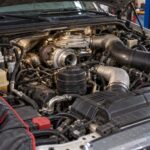
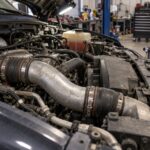
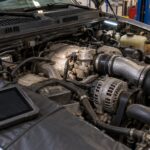
The P0234 Turbocharger Overboost Code is your engine control module telling you the turbo is producing more boost pressure than the system is programmed to allow. On a diesel, that is not a minor warning light. Overboost puts real stress on pistons, head gaskets, and the turbo itself, and left alone it can turn a cheap sensor fix into a cracked ring land or a scattered turbine wheel.
At PT Turbo we have been diagnosing and rebuilding forced induction systems since 1978. Over 45 years we have seen this code chase countless owner-operators and fleet techs down the wrong path, replacing turbos when the real culprit was a stuck wastegate actuator or a leaking boost hose. This guide walks through exactly what P0234 means, what causes it, how to diagnose it correctly, and how to fix it right the first time.
What the P0234 Code Actually Means
P0234 is a generic OBD-II powertrain code defined as “Turbocharger/Supercharger A Overboost Condition.” The ECM monitors manifold absolute pressure (MAP) or boost pressure against a commanded target. When actual boost exceeds the target threshold for a set duration, the code sets and the ECM typically pulls fuel to protect the engine.
On most diesel platforms you will feel this as a hard power cut or a “limp mode” event under load, usually on a grade or during hard acceleration. The engine builds boost fast, overshoots the ceiling, and the ECM slams the door shut to save the hardware.
The “A” in the definition identifies which boost system the code refers to: on an engine with one turbo there is only one, and on others the service information from the maker says which. On compound or sequential setups, related codes like P0243 (wastegate solenoid A) often appear alongside it, which helps narrow the diagnosis.
Common Causes of the P0234 Turbocharger Overboost Code
Overboost is almost always a control problem, not a “turbo is too strong” problem. The turbo is doing exactly what it is asked to do because the device that is supposed to bleed off excess boost has failed or is being commanded incorrectly.
Here are the causes we see most often on the bench and in the field:
- Stuck or seized wastegate that cannot open to relieve exhaust pressure, so drive pressure keeps spinning the turbine.
- Failed actuator (pneumatic or electronic) that can no longer move the wastegate flap or VGT vanes to the commanded position.
- Sticking VGT (variable geometry) mechanism, where soot and carbon lock the vanes in a high-boost position.
- Boost control solenoid failure feeding the wrong control signal to the actuator.
- Vacuum or pressure line leaks to the actuator, causing it to read a false command.
- Faulty MAP/boost sensor reporting inaccurate pressure to the ECM.
- Aftermarket tuning that commands boost beyond the factory ceiling.
On modern diesels the variable-geometry turbocharger is the number one source of overboost complaints. Carbon buildup from exhaust gas recirculation flow slowly binds the vane mechanism, and when the vanes stop responding to commands, boost runs away.
How to Diagnose P0234 Step by Step
Do not throw a turbo at this code. A methodical diagnosis takes 30 to 45 minutes and saves you thousands. Here is the sequence we recommend.
1. Pull All Codes and Freeze Frame Data
Record every stored code, not just P0234. Companion codes like P0045, P0046, or P0243 point directly at the actuator or solenoid circuit. Note the RPM, load, and boost value in the freeze frame so you know the conditions that triggered the fault.
2. Data Log a Boost Sweep
With a scan tool, graph commanded boost against actual boost during a controlled acceleration. If actual boost overshoots commanded by more than a few PSI and stays there, you have a mechanical control failure. If the two track together but the sensor reads high, suspect the sensor.
3. Inspect the Actuator and Linkage
Visually check the wastegate or VGT actuator rod. On a pneumatic actuator, apply regulated air or vacuum and confirm the rod strokes fully and returns; an electronic actuator is checked with the scan tool’s sweep test instead. A lazy or non-moving actuator is your answer. This is where most P0234 diagnoses end.
4. Check All Boost Plumbing
Inspect charge pipes, clamps, and the actuator control line for cracks, oil, or loose connections. A collapsed or leaking line to a pneumatic actuator will mimic an internal turbo failure.
5. Verify the VGT Vanes Move Freely
On VGT units, actuate the vanes with the scan tool bi-directional test. Notchy, slow, or stuck movement confirms carbon binding. This often requires removal and cleaning, or replacement if the mechanism is worn.
If you are working through the opposite complaint, low boost instead of high, our P0299 Turbocharger Underboost diagnosis guide covers that side of the same system in the same detail.
Fixing P0234: Parts, Actuators, and When to Replace the Turbo
The fix depends entirely on what your diagnosis turned up. In the majority of cases, the repair is the actuator, not the whole turbocharger. A quality actuator is a fraction of the cost of a turbo and takes a fraction of the labor.
PT Turbo stocks both new and remanufactured actuators for Garrett and Mitsubishi units. Matching the correct part number to your turbo is critical, because actuator spring rates and stroke lengths are calibrated to specific turbo models.
When the Actuator Is Not Enough
If the VGT cartridge is worn, the shaft has excessive play, or the wastegate seat is damaged, replacing the actuator alone will not hold. In those cases the smarter move is a rebuild or a replacement unit.
Our turbo rebuild service restores your original core to OEM tolerances, including the VGT mechanism and bearing system. If downtime matters more, our remanufactured turbochargers ship ready to bolt on, tested and balanced.
New vs Remanufactured: What Makes Sense for P0234 Repairs
When the turbo itself is the problem, fleet economics usually favor a quality reman over a brand-new OEM unit. Here is how the options compare.
| Option | Typical Cost | Lead Time | Best For |
|---|---|---|---|
| New OEM turbo | Highest | Varies, often special order | Warranty-critical fleets |
| Remanufactured turbo | 30 to 50% less than new | In stock, ships fast | Most trucks and equipment |
| Rebuild your core | Lowest | Turnaround required | Rare or discontinued units |
| Actuator only | see actuator prices | In stock | Confirmed actuator failure |
Because PT Turbo has been in the turbocharger business for more than 45 years, we stock both new and remanufactured parts across Garrett, BorgWarner, Mitsubishi, and other major brands. That means we can match the right fix to your budget and your downtime window instead of pushing one solution.
The bottom line on every P0234 repair is to let the diagnosis drive the parts, not the other way around. Confirm whether you are chasing a control problem or a worn turbo before you spend a dime, because an actuator and a full unit are not interchangeable guesses. Get the root cause right and the overboost stays gone.
Looking for a different code? Our list of turbocharger fault codes gives the standard definition of every boost-related code and the kind of fault it points to.
Frequently Asked Questions
What does the P0234 Turbocharger Overboost Code mean?
It means your engine control module has detected the turbocharger producing more boost pressure than the system allows. On diesels, this can stress pistons, head gaskets, and the turbo itself.
What causes a P0234 overboost code?
Common causes include a stuck or sticking turbo wastegate, faulty boost pressure sensor, restricted or leaking vacuum lines, or a malfunctioning variable geometry turbo actuator.
Is it safe to drive with a P0234 code?
It is not recommended. Continued overboost can lead to serious engine damage like cracked ring lands or a failed turbine, turning a cheap fix into a costly repair.
Need a Turbocharger?
PT Turbo has rebuilt and sold turbochargers since 1978. We stock remanufactured units for Cummins, Duramax, Power Stroke, Detroit Diesel, and more — backed by a 12-month unlimited mileage warranty and same-week shipping from San Bernardino, CA.
📞 (909) 824-1020 · 346 S I St. #3, San Bernardino, CA 92410 · [email protected]
More From PT Turbo
 Turbocharger Fault Codes: The Full List of Boost Codes and What They Mean
- Excessive Turbo Lag on a Diesel: Causes, Diagnosis & Whether to Repair or Replace
- Turbine Wheel Damage from Foreign Object Ingestion: Diagnosis & Next Steps
- P0401 EGR Insufficient Flow: How It Leads to Turbocharger Damage if Ignored