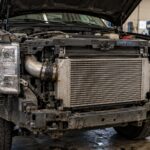
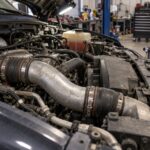
Diesel engine low power is one of the most common complaints that rolls into our shop, and the turbocharger is often blamed first, sometimes wrongly. After 45+ years of building and diagnosing turbos at PT Turbo, we can tell you that a weak-feeling engine can come from a dozen different places. The trick is knowing how to isolate the turbo from everything else before you spend money on parts you may not need.
This guide walks you through a real diagnostic process, the kind we use on the bench and over the phone with mechanics every day. We will cover the symptoms, the tests, the failure points, and what it actually costs to fix.
What Low Power Feels Like, and Why the Turbo Gets Blamed
A healthy diesel pulls hard, spools quickly, and holds boost under load. When that goes away, drivers describe it as sluggish acceleration, no top-end pull, black smoke on throttle, or a truck that simply will not make the hill it used to climb loaded.
Because the turbocharger is responsible for cramming air into the cylinders, it is a logical suspect. A turbocharger that cannot build boost will absolutely rob power. But so will a clogged air filter, a leaking charge pipe, a restricted exhaust, or fuel starvation.
Before you condemn the turbo, confirm the symptom pattern. Turbo-related low power usually shows up under load and at higher RPM, often paired with a boost-related fault code.
Diesel Engine Low Power: First Checks Before Touching the Turbo
Start with the cheap and obvious. We have pulled plenty of “bad” turbos off trucks that only needed a $40 air filter or a re-clamped intercooler boot.
- Air filter and intake: A restricted filter starves the compressor. Check the restriction gauge or just inspect it.
- Charge air (boost) leaks: Inspect every clamp, boot, and the intercooler for cracks. A blown boot mimics a dead turbo perfectly.
- Exhaust restriction: A plugged diesel particulate filter or crushed pipe kills backpressure numbers and boost.
- Fuel delivery: Weak lift pump, clogged filters, or injector issues create low power that no turbo can fix.
- EGR system: A stuck EGR valve dilutes intake air and drops power.
Pull codes first. If you are staring at a P0299 underboost code, a P0234 overboost code, or a P003A boost control code, you already have a strong pointer toward the turbo or its controls.
Isolating the Turbocharger: The Real Tests
Once the basics check out, it is time to put numbers on the turbo. Guessing is expensive. Measuring is not.
1. Boost Pressure Test
Compare actual boost against the manufacturer spec under load. Most modern diesels command boost through the ECM, so use a scan tool to read desired versus actual boost. A gap of more than a few PSI under load points to a turbo or actuator problem.
2. Shaft Play Inspection
With the intake pipe off, spin the compressor wheel by hand. It should turn freely with no grinding. Push and pull on the shaft. Excessive axial or radial play means worn bearings, and that turbo is on its way out.
3. Wheel Condition
Inspect the compressor and turbine wheels for damaged, bent, or missing blades. Foreign object damage or oil coking tells you the turbo has already failed internally.
4. Actuator Function
This is the step most people skip, and it is where a lot of “low power” turbos actually live. On both wastegated and variable geometry units, if the actuator is not moving correctly, the turbo cannot control boost. A wastegate actuator that sticks open will leave you underboosted and gutless; one whose diaphragm leaks does the opposite and overboosts.
When the Actuator Is the Real Problem
Here is something we see constantly: the turbo cartridge is fine, but the actuator has failed. Replacing an actuator can restore full power without the cost and labor of a full turbo swap.
Pneumatic actuators control a wastegate using boost pressure against a spring-loaded diaphragm; modern VGT vanes are moved by an electronic actuator or by engine oil instead. When a wastegate actuator’s diaphragm cracks, the gate stays shut and the engine overboosts; when the arm seizes open or the spring weakens, you get low power and a persistent underboost code.
Always verify the part number stamped on your existing actuator or turbo before ordering. If you are not sure which actuator matches your unit, contact PT Turbo with your turbo model and we will match it.
Variable Geometry Turbos and Low Power
On variable geometry turbochargers found on Cummins, Duramax, and the 2007 and later Cat C7 and C9, the vanes must move freely to control boost across the RPM range. Carbon buildup and soot lock those vanes, causing low power at one end of the range or the other.
A VGT that sticks closed can overboost, while one stuck open leaves you with no low-end response. If you own a Cat C13, which runs two fixed turbos in series instead of a VGT, our Caterpillar C13 turbocharger guide covers its failure modes in detail.
Sometimes a VGT can be cleaned and rebuilt. Sometimes the mechanism is too worn. That decision comes down to inspection, which is exactly what our turbocharger rebuild service is built for.
Repair vs Replace: What It Costs
Once you have confirmed the turbo is the issue, you have three real options. Here is how they stack up in the real world.
| Option | Typical Cost Range | Best For | Notes |
|---|---|---|---|
| Actuator replacement | see actuator prices | Good cartridge, failed boost control | Cheapest fix when the turbo core is healthy |
| Rebuilt / remanufactured turbo | $525 to $8,461 (259 listings) | Worn bearings, wheel damage, VGT wear | OEM performance at a lower cost, tested on the bench |
| Brand new OEM turbo | $442 to $13,412 (1904 listings) | Warranty-critical or newest platforms | Highest cost, longest lead time on some models |
Price ranges in this article are general estimates to help with budgeting, not PT Turbo quotes. Our current prices are on each product listing, and our rebuild prices are on the turbo rebuild price list.
A quality remanufactured turbocharger is the sweet spot for most owner-operators and fleets. Every reman unit we build is disassembled, inspected, fitted with new bearings and seals, balanced, and tested. You get new-turbo performance without new-turbo pricing.
PT Turbo has stocked both new and remanufactured parts for over 45 years, and you can shop all turbos here to find your fit. Major brands like Garrett and BorgWarner supply the cores we build and sell.
A Simple Diagnostic Flow to Follow
To keep it straightforward, work the problem in this order every time:
- Pull codes and note the exact fault pattern.
- Check air filter, boost pipes, and intercooler for leaks.
- Verify exhaust is not restricted and DPF is not plugged.
- Confirm fuel delivery and rule out injectors.
- Compare desired vs actual boost under load.
- Inspect shaft play, wheels, and actuator movement.
Follow that sequence and you will land on the real fault instead of throwing parts at a symptom. The order matters: each step clears out a whole category of causes, so by the time you reach the turbo itself, you already know the rest of the system is clean.
Most low-power diesels we see come down to one weak link in that chain, not a dozen problems at once. Find it with numbers, confirm it on the bench, and you fix the truck right the first time.
Frequently Asked Questions
Is a bad turbocharger always the cause of diesel engine low power?
No, low power can come from many sources like clogged fuel filters, air leaks, or sensor faults. The turbo is often blamed first but is frequently not the actual problem.
How can I tell if my turbocharger is causing low power?
Isolate the turbo by checking boost pressure, inspecting for shaft play, and ruling out fuel and air delivery issues first. Proper diagnosis prevents unnecessary part replacement.
What common issues mimic a failing turbocharger?
Clogged air filters, restricted exhaust, faulty sensors, and fuel delivery problems can all feel like turbo failure. Testing each system helps pinpoint the true cause.
Need a Turbocharger?
PT Turbo has rebuilt and sold turbochargers since 1978. We stock remanufactured units for Cummins, Duramax, Power Stroke, Detroit Diesel, and more — backed by a 12-month unlimited mileage warranty and same-week shipping from San Bernardino, CA.
📞 (909) 824-1020 · 346 S I St. #3, San Bernardino, CA 92410 · [email protected]
More From PT Turbo
- Turbocharger Shaft Play: How Much Is Too Much? Measurement & Replacement Guide
 Intercooler Failure Symptoms: How a Bad Intercooler Damages Your Turbocharger
- P0299 Turbocharger Underboost Code: Complete Diagnosis Guide for Diesel Trucks
- Excessive Turbo Lag on a Diesel: Causes, Diagnosis & Whether to Repair or Replace