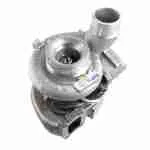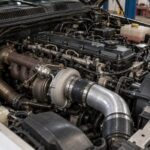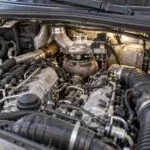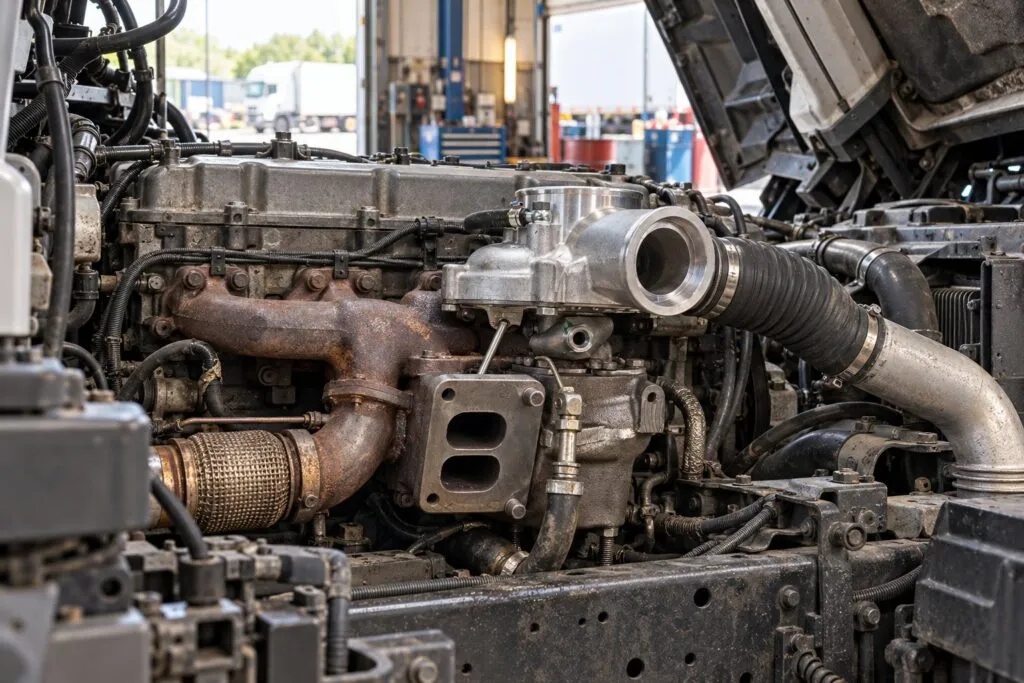
The BorgWarner K27 Turbocharger is one of the most widely used medium-frame turbos in the European diesel world, powering everything from Mercedes-Benz commercial trucks to Deutz industrial engines and marine applications. If you run Mercedes OM-series diesels or wrench on European heavy equipment, chances are you have seen a K27 hanging off an exhaust manifold at some point. This guide covers real applications, specs, failure symptoms, and replacement options so you can spec the right unit the first time.
At PT Turbo we have been rebuilding and supplying turbochargers since 1978. That is 45+ years of hands-on experience with the KKK/BorgWarner K-series, and we stock both new and remanufactured units along with the actuators and hardware that fail alongside them.
What Is the BorgWarner K27 Turbocharger?
The K27 comes from the original Kühnle, Kopp & Kausch (KKK) turbo line, which BorgWarner absorbed and continues to build today. It sits in the middle of the K-series lineup, larger than the K24 and K26, smaller than the K29 and K31.
The “27” refers to the frame size, roughly indicating the compressor and turbine wheel dimensions. That mid-frame sizing is exactly why it fits so many 5 to 12 liter diesel engines making somewhere between 150 and 400 horsepower.
You will find the K27 with and without a wastegate. It is a fixed geometry turbo: there are no moving vanes in the turbine housing, and boost is either left to the housing size or limited by the wastegate.
K27 General Specifications
| Attribute | Typical K27 Range |
|---|---|
| Frame size | 27 (mid-frame) |
| Compressor wheel | ~57-68 mm inducer, by version |
| Turbine wheel | ~62-70 mm inducer (the larger diameter), by version |
| Engine displacement | 5.0L to 12.0L diesel |
| Power range | 150-400 hp |
| Bearing system | Journal bearing, water/oil cooled |
| Configurations | Fixed geometry, with or without a wastegate |
Mercedes & European Diesel Applications
The K27 earned its reputation on Mercedes-Benz OM-series engines. These are the workhorse diesels found in Atego, Axor, and Unimog trucks, as well as older OM366 and OM906 platforms used in buses, agricultural equipment, and generator sets.
Beyond Mercedes, the same K27 frame shows up across the European industrial landscape. Deutz, MAN, MTU, and various marine builders all specced K-series turbos for their reliability under continuous load.
- Mercedes-Benz OM366 / OM366LA — 6.0L inline-six, trucks and buses
- Mercedes-Benz OM906 / OM926 — 6.4L and 7.2L, Atego and Axor
- Deutz BF6M / BF4M series — industrial and ag applications
- MAN D-series — select mid-range displacements
- Marine & genset — continuous-duty power units
Because so many variants exist, the BorgWarner part number on the nameplate of the compressor housing is the way to confirm a match. Never order a K27 off engine model alone. Two trucks with the same OM906 can carry different A/R housings depending on rating and emissions year.
Common BorgWarner K27 Turbocharger Failure Symptoms
A K27 rarely dies without warning. Catching the early signs saves you from a spun bearing that sends metal downstream into the intercooler and intake tract.
Most failures trace back to three causes: oil supply problems, actuator or wastegate faults, and foreign object damage.
| Symptom | Likely Cause | Severity |
|---|---|---|
| Blue/gray exhaust smoke | Failed seals, oil in exhaust | Moderate |
| Whining or grinding noise | Worn journal bearings | High |
| Low boost / power loss | Stuck wastegate or actuator | Moderate |
| Excessive shaft play | Bearing wear | High |
| Boost overshoot / limp mode | Wastegate/actuator fault | High |
| Oil leaking from CHRA | Clogged drain or seal failure | Moderate |
If you catch shaft play or a grinding noise, shut it down. Running a turbo with failed bearings for even a short time can grenade the wheels and contaminate the entire charge-air system.
Actuators: The Part That Fails Before the Turbo
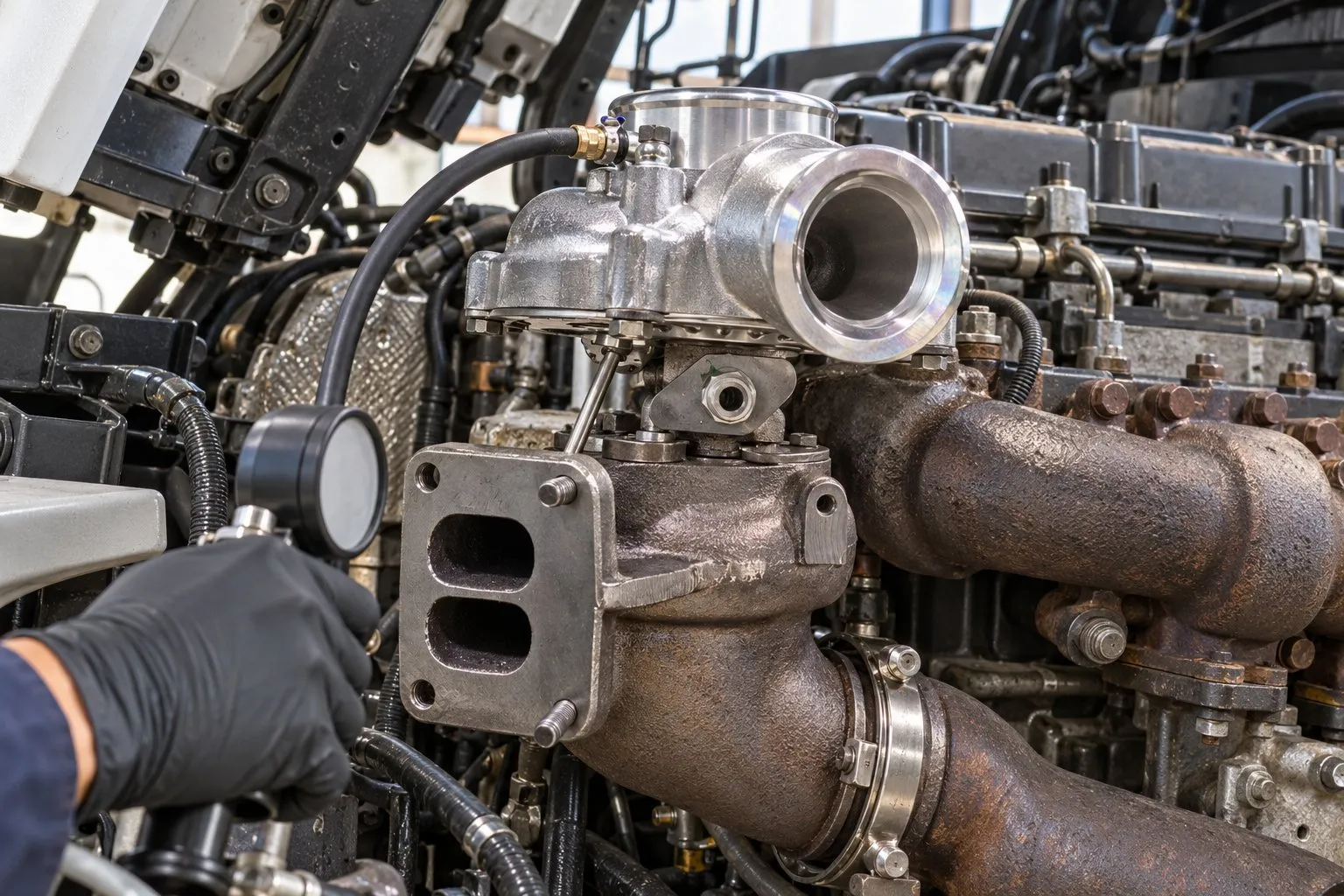
On wastegated K27 units, the pneumatic actuator is usually the first thing to go. A weak or stuck actuator throws boost codes, causes limp mode, and gets misdiagnosed as a bad turbo more often than any other component.
Before you condemn a good cartridge, test the actuator.
Replacing a failed actuator instead of the whole turbo can save you well over a thousand dollars when the cartridge is still healthy. Not sure which one fits your application? Contact PT Turbo with the part number from your turbo’s nameplate and we will match it.
New vs Remanufactured K27: Cost Breakdown
A brand-new OEM BorgWarner K27 from a dealer often runs well past what most owner-operators want to spend, and lead times on European part numbers can stretch for weeks. A quality remanufactured unit is the smart middle ground for most fleets.
Our remanufactured turbochargers are built to OEM balance specs with new bearings, seals, and wheels where needed. Every unit is VSR balanced and tested before it ships.
| Option | Typical Cost | Lead Time | Best For |
|---|---|---|---|
| New K27 | $701 to $3,307 (71 listings) at PT Turbo | 1-4 weeks | Warranty-critical fleets |
| Remanufactured K27 | Quoted by part number | In stock / fast | Most owner-operators |
| Rebuild your core | $575 at PT Turbo for the K27 (price list) | 3 to 5 business days after inspection | Cost-conscious, no core hunt |
If you have a good core, our turbo rebuild service is the most economical route. We keep your original housings and casting numbers, which guarantees fitment on hard-to-source European units.
Installation & Longevity Tips
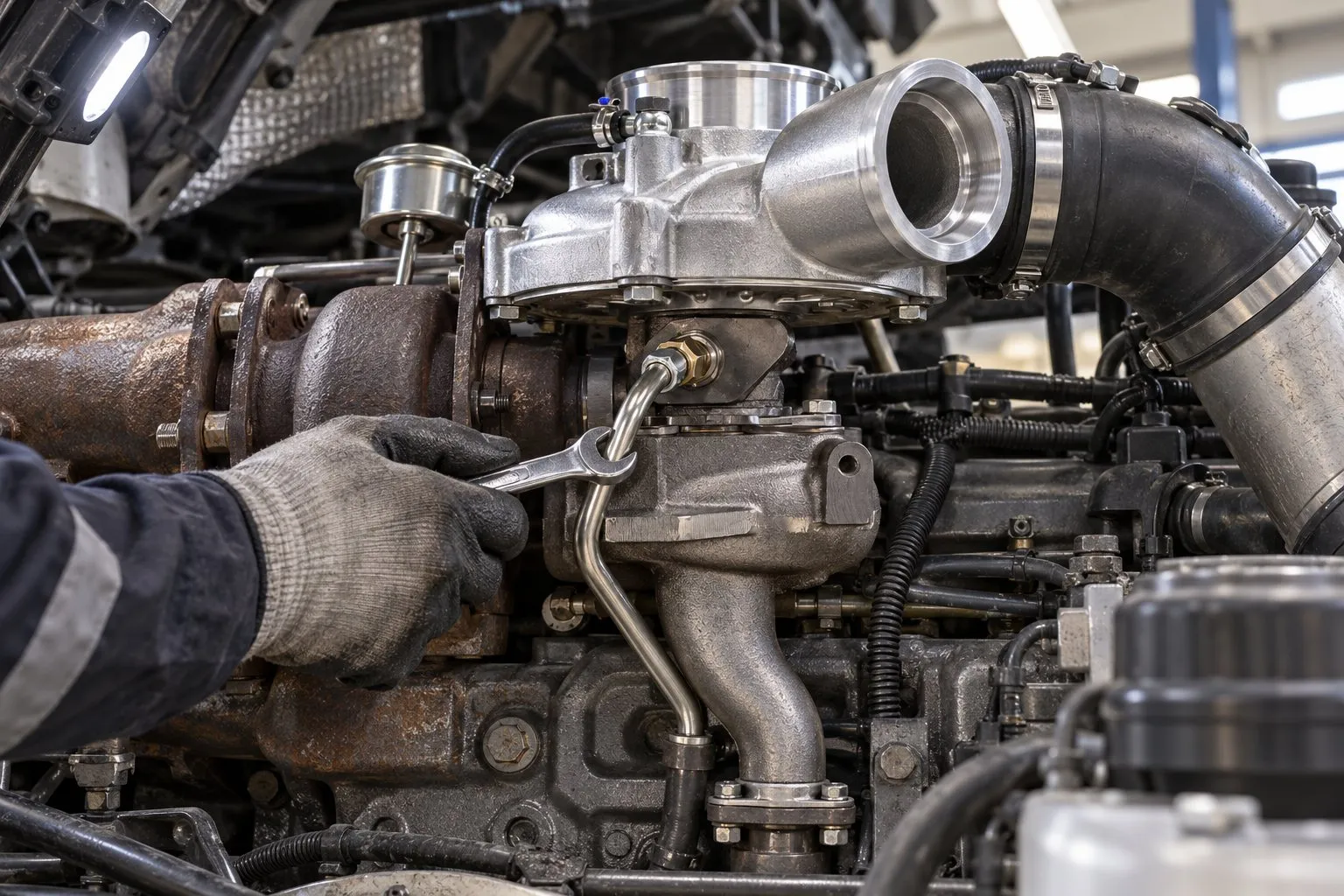
The K27’s biggest enemy is oil. These are journal-bearing turbos, and they live and die by clean, pressurized lubrication reaching the center housing within seconds of startup.
Follow these steps and a rebuilt K27 will outlast the job that killed the last one:
- Prime the oil feed before first start. Crank with the fuel off until you see pressure.
- Replace the oil feed and drain lines. Coked or restricted lines are the top cause of repeat failures.
- Clean the intake and intercooler if the old turbo shed any metal or oil.
- Check crankcase ventilation. High crankcase pressure pushes oil past the drain and out the seals.
- Let it idle down before shutdown. Thirty seconds of idle prevents oil coking in the bearing.
On emissions-era engines, keep up with regeneration. A loaded particulate filter raises exhaust pressure and temperature at the turbine, which shortens bearing and seal life.
When you have the turbo off for any reason, work the wastegate linkage by hand and verify it moves freely and closes fully. A gate that hesitates on the bench will only get worse under heat and soot, so free or replace it while the turbo is already off rather than chasing boost codes a month later.
Price ranges in this article are general estimates to help with budgeting, not PT Turbo quotes. Our current prices are on each product listing, and our rebuild prices are on the turbo rebuild price list.
Frequently Asked Questions
What engines use the BorgWarner K27 turbocharger?
The K27 is commonly found on Mercedes-Benz OM-series commercial diesels, Deutz industrial engines, and various marine applications. It’s a popular medium-frame turbo across the European diesel world.
Is the BorgWarner K27 turbocharger rebuildable?
Yes, the K27 is fully rebuildable using standard CHRA cartridge and repair kits. This makes it a cost-effective choice for high-hour commercial and industrial diesel engines.
How do I identify the correct K27 turbo for my application?
Check the BorgWarner part number on the nameplate of the compressor housing and match it to your engine’s specifications. Frame size, A/R ratio, and flange type all affect proper fitment.
Shopping by part number?
Every part number we stock for the BorgWarner K27 is on one page, with live prices and stock: BorgWarner K27 turbos and parts.
Need a Turbocharger?
PT Turbo has rebuilt and sold turbochargers since 1978. We stock remanufactured units for Cummins, Duramax, Power Stroke, Detroit Diesel, and more — backed by a 12-month unlimited mileage warranty and same-week shipping from San Bernardino, CA.
📞 (909) 824-1020 · 346 S I St. #3, San Bernardino, CA 92410 · [email protected]
More From PT Turbo
- BorgWarner S400 Turbocharger: High-Flow Applications & Fitment Reference
 Holset HX35 Turbocharger: Dodge Ram 5.9L Cummins Application & Fitment Guide
- BorgWarner EFR Series Turbocharger: Performance Diesel Applications Guide
- Garrett GT2056V Turbocharger: Mercedes OM642 & Dodge Sprinter Application Guide