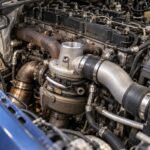
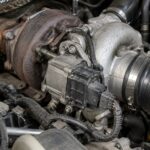
Knowing how to inspect a used or remanufactured turbocharger before it goes on the engine is the difference between a repair that lasts 200,000 miles and one that grenades in a week. At PT Turbo, we’ve been rebuilding and testing turbochargers since 1978, and we’ve seen too many good engines killed by a bad unit that nobody checked first. This guide walks you through exactly what to look at, what to measure, and what to reject.
Whether you bought a core off a shelf, pulled a takeoff from a running truck, or ordered a professionally remanufactured turbocharger, the inspection process is the same. Spend twenty minutes now and you’ll save yourself an engine later.
Why Pre-Installation Inspection Matters
A turbocharger spins between 80,000 and 200,000 RPM and runs exhaust gas temperatures north of 1,000 degrees Fahrenheit. There is zero tolerance for slop, contamination, or a cracked housing at those speeds.
The most expensive failure mode is a wheel that comes apart at speed. When a compressor or turbine wheel disintegrates, debris goes straight into the intake or the exhaust, and on many engines that means valves, pistons, and an aftercooler full of aluminum.
Used and reman units carry more risk than a factory-new part simply because they’ve lived a prior life. That doesn’t make them a bad buy. A properly rebuilt turbo is often the smartest money you’ll spend. It just means the inspection is on you.
Tools You Need Before You Start
You don’t need a lab. You need a clean bench, good light, and a few basic tools to check clearances and condition.
- A dial indicator with a magnetic base for axial and radial shaft play
- Feeler gauges for wheel-to-housing clearance
- A bright inspection light or borescope
- Brake cleaner and lint-free rags
- A vacuum pump or pressure source to test the actuator
- Nitrile gloves so you’re not adding oil and grit to clean parts
How to Inspect a Used or Remanufactured Turbocharger Step by Step
Work through these checks in order. Don’t skip the boring ones. The shaft play test catches problems the eye can’t see.
1. Visual inspection of housings and wheels
Start with the compressor inlet. Look down at the compressor wheel blades under good light. Every blade should be sharp, straight, and free of nicks, bends, or rub marks.
Even one bent blade throws the assembly out of balance and will destroy the bearings. If you see aluminum smeared on the housing wall, the wheel has been contacting the housing, and that unit is done.
Rotate the assembly and inspect the turbine wheel through the exhaust outlet the same way. Look for missing blade tips, cracks at the blade roots, and heat cracking. Some fine hairline cracking on the exhaust housing is normal from heat cycling. Cracks through a mounting flange or into the turbine bore are not.
2. Check shaft radial and axial play
This is the single most important test. Grip the shaft nut or the wheel and push it side to side (radial) and in and out (axial). There should be a small amount of radial movement and almost no axial movement.
For a precise reading, set up your dial indicator. Journal bearing turbos typically allow around 0.001 to 0.004 inches of axial play. Radial play varies by model, but the wheel should never touch the housing when you push it.
| Shaft Play Test | Acceptable | Reject the Unit |
|---|---|---|
| Axial (in/out) movement | 0.001 to 0.004 in | Over 0.004 in or any grinding feel |
| Radial (side to side) | Slight, wheel never contacts housing | Wheel touches or scrapes housing |
| Rotation feel | Smooth, free spinning | Rough, notchy, or catching |
Spin the shaft by hand. It should turn freely and coast smoothly. Any grinding, catching, or gritty feel means damaged bearings or debris inside, and no amount of cleaning fixes that on assembled bearings.
3. Inspect the oil passages and seals
Look into the oil inlet and outlet ports. On a reman unit they should be spotless. On a used core, check for coked, hardened carbon deposits, which are a sign the previous engine cooked its oil and starved the bearings.
Carbon buildup in the center housing is a red flag. If the last turbo died from oil coking, the same failure is waiting to happen. Check the seal areas for heavy oil residue that would point to failed piston-ring seals.
Testing the Actuator and Wastegate
A turbo can pass every mechanical check and still run badly if the boost control is dead. On wastegated and variable-geometry units, the actuator sets your boost, and a stuck or leaking one causes overboost, underboost, and limp mode.
For a pneumatic wastegate actuator, apply the specified pressure or vacuum with a hand pump and watch the rod. It should move smoothly through its full travel and hold pressure without bleeding down. A rod that won’t move, moves erratically, or leaks off needs replacement before the turbo goes on.
Actuators are a common wear item and are worth replacing during a swap rather than fighting a boost fault later. PT Turbo stocks the correct units for a wide range of applications.
On a variable-geometry turbocharger, also confirm the vane mechanism moves freely. Soot buildup on VGT vanes causes them to stick, which is one of the most common reasons a used unit underperforms even when the wheels look perfect.
New vs Remanufactured: Setting Expectations
A quality reman turbo is rebuilt to OEM tolerances with new bearings, seals, and a rebalanced rotating assembly. It should perform like new. The catch is that “remanufactured” only means something when the rebuilder does it right, which is why the source matters as much as the price.
| Factor | New OEM | Quality Reman | Unknown Used Core |
|---|---|---|---|
| Typical cost | Highest | 30 to 50% less than new | Cheapest |
| Bearings and seals | New | New | Original, worn |
| Balancing | Factory balanced | Rebalanced | Unknown |
| Warranty | Yes | Yes, from reputable rebuilder | None |
| Risk level | Lowest | Low | High |
This is where a 45-plus year track record pays off. PT Turbo has stocked and built both new and remanufactured units since 1978, and our turbocharger rebuild service follows the same balancing and clearance standards the major manufacturers like Garrett and BorgWarner specify.
Before You Bolt It On
Once the turbo passes inspection, a few final steps protect your investment. The number one cause of early failure on a freshly installed turbo is oil starvation in the first few seconds of running.
- Replace the oil feed line if it shows any coking or restriction. A clogged feed line kills a new turbo fast.
- Change the engine oil and filter, and check that the drain line is clear and unrestricted.
- Inspect the intake and charge piping for leftover debris from the old failure.
- Prime the turbo with clean oil before startup. See our guide on how to prime a new turbocharger before starting the engine for the exact procedure.
If you find contamination in the intake tract, track down the source before installing. A failed EGR system or restricted air filter that killed the last turbo will kill this one too.
Not sure whether your core is worth reusing or better rebuilt? Contact PT Turbo with your part number and we’ll tell you straight, or browse the full lineup in our turbo shop.
Buying a turbo that came off a running or wrecked truck? See how to inspect a pull-off turbocharger before buying.
Frequently Asked Questions
What should I check first on a used turbocharger?
Start by checking the compressor and turbine wheels for damage, then inspect the shaft for excessive play. Any bent blades, contact marks, or wobble are immediate red flags.
How much shaft play is acceptable in a turbocharger?
A little side-to-side movement is normal on a journal-bearing turbo, but you should not feel in-and-out play, and the wheels should never touch the housing. If you feel grinding or see contact marks, the bearings are worn and the unit should not be installed.
Is a remanufactured turbocharger as reliable as a new one?
A properly remanufactured turbo from a reputable rebuilder can last just as long as new, often at a fraction of the cost. The key is verifying it was balanced, tested, and inspected before purchase.
Need a Turbocharger?
PT Turbo has rebuilt and sold turbochargers since 1978. We stock remanufactured units for Cummins, Duramax, Power Stroke, Detroit Diesel, and more — backed by a 12-month unlimited mileage warranty and same-week shipping from San Bernardino, CA.
📞 (909) 824-1020 · 346 S I St. #3, San Bernardino, CA 92410 · [email protected]