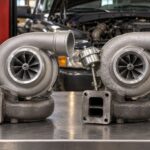
Knowing How to Avoid Buying a Bad Remanufactured Turbocharger can save you thousands in repeat labor, warranty headaches, and a scrapped engine, and yet most buyers focus only on price when they should be scrutinizing the rebuild quality. A remanufactured turbo is only as good as the shop that built it and the components they used. Get it wrong and you are back under the truck in 5,000 miles.
At PT Turbo, we have been rebuilding and selling turbochargers since 1978, more than 45 years of hands-on experience with Garrett, BorgWarner, Holset, and Mitsubishi units. We stock both new and remanufactured turbochargers, so we know exactly what separates a proper reman from a cleaned-up core that will fail early. Here is what to watch for.
What “Remanufactured” Actually Means (and What It Should Not)
There is a real difference between a rebuilt, a remanufactured, and a “washed and painted” turbo. The words get thrown around loosely, and that loose language is where buyers get burned.
A true remanufactured turbocharger is fully disassembled, cleaned, inspected to OEM tolerances, and reassembled with new wear components. The center housing rotating assembly (CHRA) should be rebalanced on a VSR machine after new bearings, seals, thrust components, and often a new compressor wheel are installed.
A low-quality “reman” is often just a used core that got a bead blast, a coat of paint, and a new gasket. It may spin freely on the bench and still be junk inside. Understanding the basic operating principles of a turbocharger helps you ask the right questions about what was actually replaced.
| Process Step | Proper Reman | Cheap “Reman” |
|---|---|---|
| Full teardown | Yes, every unit | Often skipped |
| New bearings and seals | Always | Reused if “OK” |
| Shaft and wheel inspection | Measured to spec | Visual only |
| VSR balancing | Yes | Rarely |
| Actuator calibration | Tested and set | Bolted on as-is |
| Warranty | 12 months or more | 30 to 90 days or none |
Red Flags to Watch For Before You Buy
Most bad reman turbos give themselves away before you ever install them. You just have to know where to look. Here are the warning signs that should stop a purchase cold.
1. No Documentation of What Was Replaced
A reputable rebuilder can tell you exactly which parts are new. If a seller cannot produce a build sheet or at least describe the process, walk away. Vague answers like “it’s fully rebuilt” mean nothing.
2. No Balancing Data or VSR Testing
An unbalanced rotating assembly will destroy new bearings within hours of running. Any turbo spinning past 100,000 RPM must be balanced. If they cannot confirm VSR testing, assume it was skipped.
3. Excessive Shaft Play
Grab the compressor wheel and check axial (in and out) and radial (side to side) play. Some radial play is normal on journal bearing units, but the wheels should never touch the housing. Contact marks on the compressor or turbine wheel are an instant reject.
4. Reused or Uncalibrated Actuators
This one gets overlooked constantly. The wastegate or vane actuator controls boost, and a worn or miscalibrated actuator causes overboost, underboost, and limp-mode codes. A proper reman includes a tested actuator set to spec.
5. Oil Residue or Contamination Inside the Housings
A freshly remanufactured turbo should be clean inside. Oil sludge, carbon buildup, or coolant staining in the center housing tells you the core was not properly cleaned, and old contamination will circulate into your new bearings.
6. Mismatched or Missing Part Numbers
The nameplate should match your application. Ground-off tags, hand-stamped numbers, or a part number that does not cross to your engine are all reasons to stop. For deeper checks, see our guide on how to inspect a used or remanufactured turbocharger before installing it.
The Actuator: The Most Common Overlooked Failure Point
If you want to understand How to Avoid Buying a Bad Remanufactured Turbocharger, start with the actuator, because it is the single most neglected component in cheap rebuilds. A turbo can have a perfect CHRA and still perform terribly if the pneumatic actuator is worn, leaking, or set to the wrong crack pressure.
On wastegated units, a failing actuator diaphragm causes boost creep and overboost fault codes. On variable geometry turbos, a sticking or miscalibrated actuator throws limp-mode codes and kills fuel economy. This is why we test and, when needed, replace actuators on every unit we build.
Always match the actuator to your exact turbo model and confirm the crack pressure spec. An actuator that opens at the wrong pressure will make a healthy turbo behave like a failing one.
New vs Remanufactured: When Each Makes Sense
A quality reman is not a downgrade. Done right, it meets OEM tolerances and comes with a real warranty at a fraction of new pricing. The trick is buying from a rebuilder who does the work properly rather than the cheapest listing you can find.
| Factor | New Turbo | Quality Reman | Cheap “Reman” |
|---|---|---|---|
| Typical cost | Highest | 40 to 60% less than new | Lowest |
| Tolerances | OEM | OEM | Unknown |
| Warranty | 1 to 2 years | 12+ months | Little to none |
| Failure risk | Very low | Low | High |
| Best for | Critical fleet uptime | Most repairs | Nobody |
If you run a variable geometry unit, quality control matters even more because of the moving vanes. A variable-geometry turbocharger has tight internal clearances that carbon up quickly on diesel applications, so proper cleaning and vane inspection are non-negotiable.
How to Vet the Rebuilder, Not Just the Part
The best defense against a bad reman is buying from someone who has skin in the game. A shop that has been around for decades is not staying in business by shipping junk. Longevity is a quality signal.
PT Turbo has built turbochargers since 1978, and that 45-plus years of experience shows up in the details: correct bearing clearances, calibrated actuators, and balanced assemblies. We also offer a full turbocharger rebuild service if you want your original core rebuilt to spec rather than swapping to a reman.
Ask these questions before you buy:
- What specific components are replaced on every unit?
- Is the rotating assembly VSR balanced?
- Is the actuator tested and calibrated to spec?
- What is the warranty length and what does it cover?
- Does the part number cross correctly to my engine and emissions setup?
Emissions components make the last question critical.
A turbo that physically bolts up can still be wrong for your setup if it was built for a different emissions configuration. EGR and DPF-equipped engines often run different turbine housings, vane geometry, and actuator calibrations than their pre-emissions counterparts, even when the castings look identical. Install the wrong variant and you get check-engine codes, derates, and a turbo that never makes correct boost.
Confirm the cross covers your exact engine year and emissions package, not just the engine family. A rebuilder who knows the difference will ask about your application before quoting a part. One who just reads a number back to you is guessing, and that guess ends up on your repair bill.
Frequently Asked Questions
What are the biggest red flags of a bad remanufactured turbocharger?
Watch for suspiciously low prices, no balancing documentation, reused worn components, and short or vague warranties. These often signal a low-quality rebuild that will fail early.
Should I always buy a new turbocharger instead of a remanufactured one?
Not necessarily—a quality remanufactured turbo from a reputable shop can perform like new at a lower cost. The key is verifying the rebuild process and component quality.
Why is turbocharger balancing so important in a remanufactured unit?
Proper balancing prevents excessive vibration that can destroy bearings and the shaft. An unbalanced or unbalanced-untested turbo can fail catastrophically within a short time.
Need a Turbocharger?
PT Turbo has rebuilt and sold turbochargers since 1978. We stock remanufactured units for Cummins, Duramax, Power Stroke, Detroit Diesel, and more — backed by a 12-month unlimited mileage warranty and same-week shipping from San Bernardino, CA.
📞 (909) 824-1020 · 346 S I St. #3, San Bernardino, CA 92410 · [email protected]
More From PT Turbo
- How Long Does a Turbocharger Last? Expected Lifespan by Engine and Application
- Turbocharger Installation Kit: What Is Included and Why You Need One
 How to Spot a Counterfeit Turbocharger: Fake Holset, Garrett & BorgWarner Identification
- Turbocharger Replacement Cost by Engine: Price Guide for Diesel Trucks & Equipment